Understanding FCC Compliance in EMC Testing
In an increasingly interconnected world, ensuring that electronic devices meet regulatory standards is paramount, particularly for manufacturers aiming to market their products in the United States. The Federal Communications Commission (FCC) plays a crucial role in this compliance landscape, overseeing telecommunications and ensuring that devices do not interfere with one another. As you navigate the complexities of FCC compliance, understanding the nuances of Electromagnetic Compatibility (EMC) testing becomes essential. When exploring options, FCC compliance can be a significant factor in the certification process of your products.
What is FCC Compliance?
The FCC is responsible for regulating interstate and international communications by radio, television, wire, satellite, and cable across the United States. FCC compliance refers to the requirement that electronic and telecommunications devices meet specific guidelines set forth by the FCC to ensure they operate without causing harmful interference to other devices. This compliance is critical for any company wishing to launch their products in the U.S. market, as it dictates how well devices adhere to established technical standards.
The Importance of EMC Testing
EMC testing is crucial for assessing whether electronic devices can function effectively without electromagnetic interference. The importance of EMC testing cannot be overstated; it not only ensures that devices meet FCC standards but also enhances product reliability, customer satisfaction, and marketability. Products that lack proper EMC testing may fail to operate as intended, leading to operational disruptions and potential financial losses for manufacturers.
Key Regulations and Standards to Know
To successfully navigate FCC compliance, familiarity with key regulations and standards is essential. This includes understanding:
- CFR Title 47: This title includes federal regulations that govern telecommunications in the U.S., detailing the technical standards devices must meet to avoid causing harmful interference.
- Part 15: Specifies the criteria for unlicensed transmissions, detailing allowable emissions for various types of devices.
- Part 90: Covers the rules for private land mobile services, which may affect devices using radio frequencies.
Stancer Testing-Lab’s Advanced Compliance Solutions
At Stancer Testing-Lab, we understand the complexities surrounding FCC compliance and the critical role of EMC testing in product development. Our comprehensive suite of testing and certification services is designed to facilitate your compliance journey effectively.
Overview of Testing Services Offered
We provide an extensive range of EMC testing services, including:
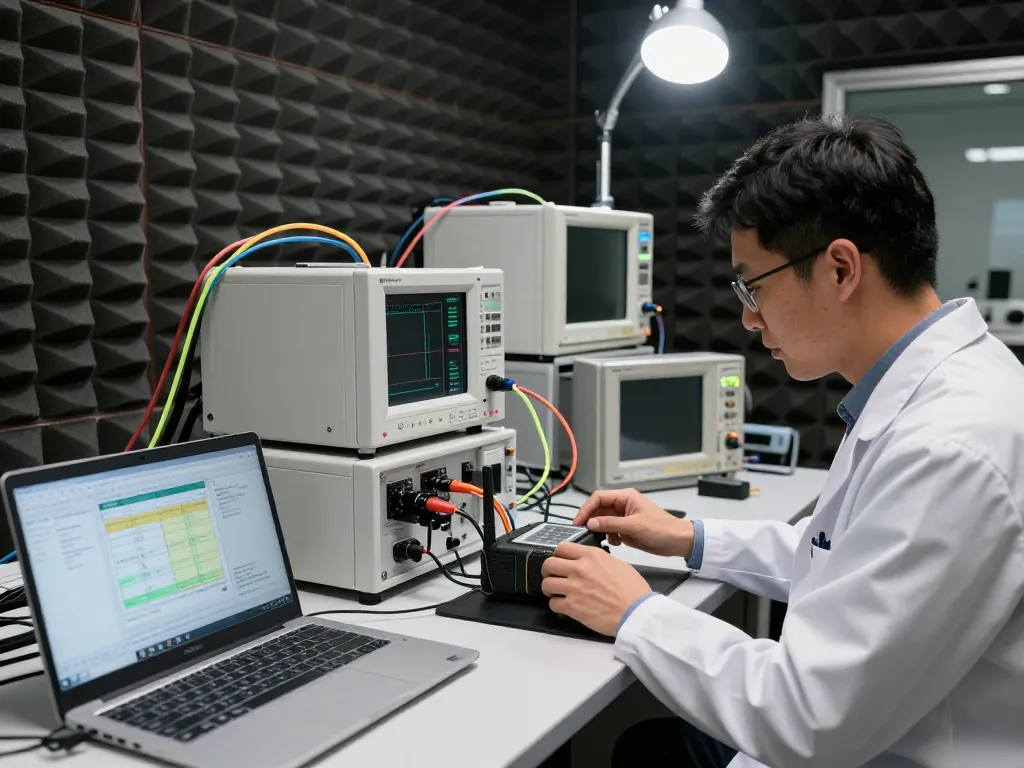
- Radiated Emission Testing: Evaluates the level of electromagnetic radiation emitted by a device.
- Conducted Emission Testing: Measures the electromagnetic energy that a device injects into the power lines.
- Immunity Testing: Assesses how well devices resist external electromagnetic disturbances.
How We Ensure Regulatory Compliance
Our expertise in various industries ensures that we keep abreast of the latest compliance requirements. Each testing methodology adheres to international and FCC standards, providing you with peace of mind that your products will meet all necessary regulations. With our advanced facilities, we can conduct thorough testing that streamlines the compliance process.
Client Consultation Process
We start our process with an in-depth consultation to understand your product, its intended use, and specific testing requirements. Our team works closely with you throughout each phase, ensuring that no detail is overlooked. After conducting the necessary tests, we deliver detailed reports that guide you in achieving compliance and optimizing product performance.
Benefits of Partnering with Stancer Testing-Lab
Choosing Stancer Testing-Lab for your compliance testing brings multiple advantages, ensuring your product is not only compliant but also market-ready.
Expertise and Experience in Diverse Industries
Our team consists of seasoned engineers with hands-on experience across various sectors, including telecommunications, medical, automotive, and more. This diverse expertise allows us to tailor our testing processes to meet the specific needs of each industry.
Advanced Testing Facilities and Equipment
We provide cutting-edge facilities equipped with the latest technology for precise and reliable EMC and RF testing. Our testing environments simulate real-world conditions, ensuring that your products navigate the complexities of regulatory compliance effectively.
Fast Turnaround Times for Certification
Understanding the importance of time-to-market for your products, we offer fast turnaround times for testing and certification. Our streamlined processes ensure that you can swiftly move from testing to compliance certification, allowing your products to reach consumers promptly.
Navigating Common Challenges in FCC Compliance
While the path to FCC compliance can be daunting, understanding common challenges can help mitigate potential pitfalls during the testing process.
Misconceptions About EMC Testing
One prevalent misconception is that EMC testing only applies to certain types of products. In reality, any electronic device that emits or receives electromagnetic energy must undergo EMC testing to ensure it does not interfere with other devices. This includes everything from small consumer electronics to large industrial machinery.
Common Obstacles and How to Overcome Them
Manufacturers often face challenges such as unclear regulations, high costs of compliance, and lengthy testing processes. Partnering with an expert testing laboratory like Stancer Testing-Lab can help alleviate these concerns, providing clarity and efficiency through our established processes.
Real-World Case Studies: Success Stories
Over the years, we have assisted numerous companies in achieving FCC compliance through our tailored testing solutions. Our case studies illustrate how we helped a telecommunications company enhance its product design, resulting in a quicker certification process and saving substantial costs in re-testing.
Future Trends in FCC Compliance Testing
As technology evolves, the landscape of FCC compliance is continually changing, necessitating adaptation and foresight from manufacturers.
Emerging Technologies Impacting Compliance
Technologies such as 5G networks, Internet of Things (IoT) devices, and artificial intelligence are emerging as significant factors in FCC compliance testing. These technologies present new challenges and opportunities for ensuring devices meet regulatory standards.
Predictions for Regulatory Changes in 2026
Experts predict that by 2026, the FCC will likely update regulations to better accommodate the rapid evolution of technology, particularly regarding wireless communications. Staying informed about these changes will be crucial for manufacturers looking to maintain compliance.
Preparing for the Future of EMC and FCC Compliance
To ensure ongoing compliance, it is essential for companies to adopt proactive strategies. This includes investing in advanced testing solutions, engaging in continuous education about regulatory changes, and collaborating with specialized testing labs to remain ahead of compliance requirements.
What is FCC compliance?
As discussed, FCC compliance involves adhering to regulations set by the Federal Communications Commission to ensure that products function without causing interference. This compliance is critical for any electronics manufacturer.
How does FCC certification impact product releases?
FCC certification can significantly affect the timeline of product releases. Without proper certification, products may face delays in reaching the market due to potential non-compliance issues.
What industries require FCC compliance testing?
FCC compliance testing is essential across various industries, including telecommunications, medical devices, automotive, and consumer electronics, all of which rely heavily on electromagnetic technologies.
What are the costs associated with FCC compliance?
The costs of FCC compliance can vary widely based on the complexity of the product and the specific tests required. Budgeting for testing and potential re-testing should be a part of product development planning.
How can companies streamline their compliance processes?
To streamline compliance processes, companies should consider partnering with experienced testing laboratories that can provide not only testing services but also insights and guidance on best practices for design modifications and compliance strategies.