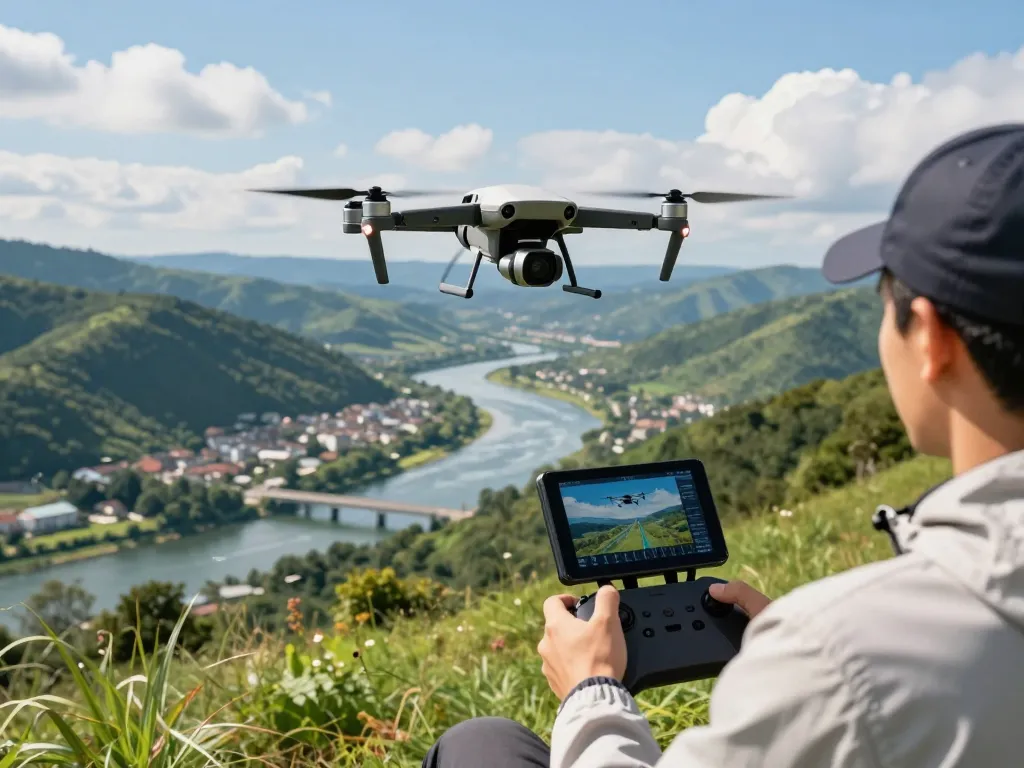
Understanding Droni Technology and Applications
Droni, commonly referred to as drones, have revolutionized various sectors, providing innovative solutions to complex challenges. These unmanned aerial vehicles (UAVs) are equipped with advanced technologies, making them indispensable for aerial services. When exploring options, droni can provide comprehensive insights into different applications and features tailored for specific industry needs. Understanding the capabilities and the technology behind these devices is essential for businesses looking to leverage their potential effectively.
What Are Droni and Their Main Features?
Droni are technologically advanced devices that fly autonomously or through remote control. They are equipped with various features that enhance their usability across different applications. Key features include:
- Camera and Sensor Integration: Most droni come with high-resolution cameras and advanced sensors, such as thermal, multispectral, or LiDAR, enabling a wide range of imaging and data collection capabilities.
- GPS Navigation: Droni utilize GPS technology for precise navigation, ensuring accurate positioning and route planning during flights.
- Autonomous Flight Modes: Features such as waypoint navigation and follow-me mode allow these drones to operate with minimal human intervention, increasing efficiency.
- Durability and Range: Modern droni are designed to withstand various weather conditions and have extended battery life, providing longer operational time and wider coverage.
Common Use Cases for Droni in Various Industries
The versatility of droni makes them applicable across multiple sectors, including:
- Agriculture: Droni are used for crop monitoring, soil analysis, and precision agriculture, helping farmers optimize their yields.
- Construction: They provide aerial insights for surveying, project monitoring, and building inspections, enhancing project efficiency and safety.
- Energy: In the energy sector, droni are employed for pipeline inspections, wind turbine monitoring, and solar panel assessments, ensuring operational integrity.
- Public Safety: Law enforcement and emergency services utilize drones for surveillance, search and rescue operations, and disaster response, significantly improving situational awareness.
Key Technologies Behind Modern Droni
The advanced functionality of droni stems from several key technologies:
- Artificial Intelligence (AI): AI enhances autonomous flight capabilities, obstacle avoidance, and data analysis, allowing drones to perform complex tasks with greater accuracy.
- Cloud Computing: Cloud technology facilitates data storage, processing, and sharing, enabling users to access real-time analytics and insights from their drone flights.
- 5G Connectivity: The emergence of 5G technology allows for faster data transmission and improved control of drone operations, even in challenging environments.
Benefits of Using Droni for Aerial Services
Utilizing droni offers numerous advantages for businesses, many of which translate directly into enhanced operational capabilities and economic benefits. Here are some of the significant benefits:
Enhancing Operational Efficiency with Droni
Droni can significantly streamline workflows by performing tasks that would typically require extensive human resources or time. With the ability to gather data and conduct inspections quickly, businesses can make informed decisions faster. For example, in agriculture, using drones for crop monitoring can reveal issues that would be time-consuming to identify through traditional methods.
Cost Savings and Return on Investment
The investment in droni technology often results in substantial cost savings. By automating routine tasks and reducing the need for manual labor, companies can lower their overall operational expenses. Furthermore, the ability to access high-quality data without extensive fieldwork leads to quicker decision-making, ultimately yielding a strong return on investment.
Improving Data Quality and Insights
The precision and reliability of data collected by droni are unparalleled. High-resolution imagery and sophisticated sensors enable businesses to gather detailed insights crucial for strategic planning. This enhanced data quality can lead to better project outcomes, increased safety, and a thorough understanding of operational parameters.
Challenges in Implementing Droni Solutions
Despite their advantages, the integration of droni into existing operations is not without challenges. Businesses must navigate several hurdles to fully reap the benefits of this technology:
Overcoming Regulatory Concerns for Drone Usage
The regulatory landscape for drone operations is complex and ever-evolving. Companies must ensure they comply with local aviation laws and regulations to operate safely and avoid penalties. This often requires thorough research and, in some cases, obtaining licenses or permits, which can be time-consuming.
Addressing Technical and Operational Limitations
While droni technology has advanced, there are still limitations to consider. These might include battery life, payload capacity, or operational range, which can affect the choice of drone for specific tasks. Businesses must carefully assess their needs against these limitations to make informed decisions.
Ensuring Safety and Privacy Compliance
Safety is a critical factor when implementing drone operations. Ensuring that flights do not interfere with other air traffic and maintaining privacy for individuals and properties are primary concerns. Companies need to develop comprehensive safety protocols and training programs to mitigate risks associated with drone usage.
Choosing the Right Droni for Your Needs
Selecting the appropriate droni involves a thoughtful evaluation of various factors to ensure the chosen model aligns with operational goals:
Factors to Consider When Selecting a Droni
Key considerations include:
- Purpose of Use: The intended application (aerial photography, surveying, inspections) will dictate the necessary features and specifications.
- Flight Time: Assessing battery life and operational range is crucial to ensure the drone can complete its intended tasks without frequent recharges.
- Camera and Sensor Quality: For tasks like photogrammetry or thermal inspections, the quality of the camera and sensors is paramount.
Comparing Different Droni Models and Features
It’s important to conduct thorough research when comparing models. Look into user reviews, manufacturer specifications, and warranty options to make an informed decision. Additionally, consider how the drone’s features align with your specific needs.
Customization Options for Specialized Tasks
Many manufacturers offer customization options for droni, allowing businesses to modify their drones with specific sensors, cameras, or software tailored to unique operational requirements. This flexibility can significantly enhance the drone’s utility, making it more adaptable to various tasks.
The Future of Droni in Aerial Services
The trajectory of droni technology continues to evolve rapidly, promising exciting developments and increased applications in the coming years. Here are some trends to watch:
Emerging Trends in Drone Technology for 2026
Anticipated advancements include improved AI systems for better navigation and operational efficiency, enhanced sensor technology for data capture, and the integration of drones into Internet of Things (IoT) frameworks, allowing for greater interconnectivity and data sharing.
Potential Industry Innovations and Developments
Future innovations may see droni playing a pivotal role in emergency response, logistics, and urban planning, facilitating quicker response times and more intelligent resource management.
The Role of Droni in Sustainable Practices
As businesses become more focused on sustainability, droni can contribute by optimizing resource usage in agriculture, facilitating environmental monitoring, and reducing the carbon footprint associated with traditional inspection methods. This aligns with broader efforts to foster eco-friendly practices within various industries.
What Makes Droni Essential for Businesses Today?
Droni are increasingly viewed as critical tools in modern business operations. Their ability to gather data quickly, improve safety, and reduce costs make them essential for maintaining competitive advantages in a rapidly changing market.
How Can Droni Improve Inspection Services?
In inspection services, droni can cover large areas quickly and provide high-resolution imagery that allows for more accurate assessments than traditional methods. This results in faster turnaround times and more reliable data for decision-making.
What Are the Leading Brands of Droni Available?
Several brands dominate the drone market, including DJI, Parrot, and Yuneec, each offering a variety of models tailored to different applications and budgets, making it easier for businesses to find the right solution for their needs.
How to Maintain and Troubleshoot Your Droni?
Regular maintenance is crucial for ensuring the longevity and reliability of drones. This includes routine checks of batteries, motors, and sensors, as well as software updates. Familiarizing yourself with troubleshooting guidelines from manufacturers can also mitigate downtime.
What Regulations Should You Know Regarding Droni?
Understanding drone regulations is critical for compliance and operational success. This includes knowing the legal requirements for flying in specific areas, obtaining necessary licenses, and adhering to safety protocols set by aviation authorities.