Understanding Chlorination for Inground Pools
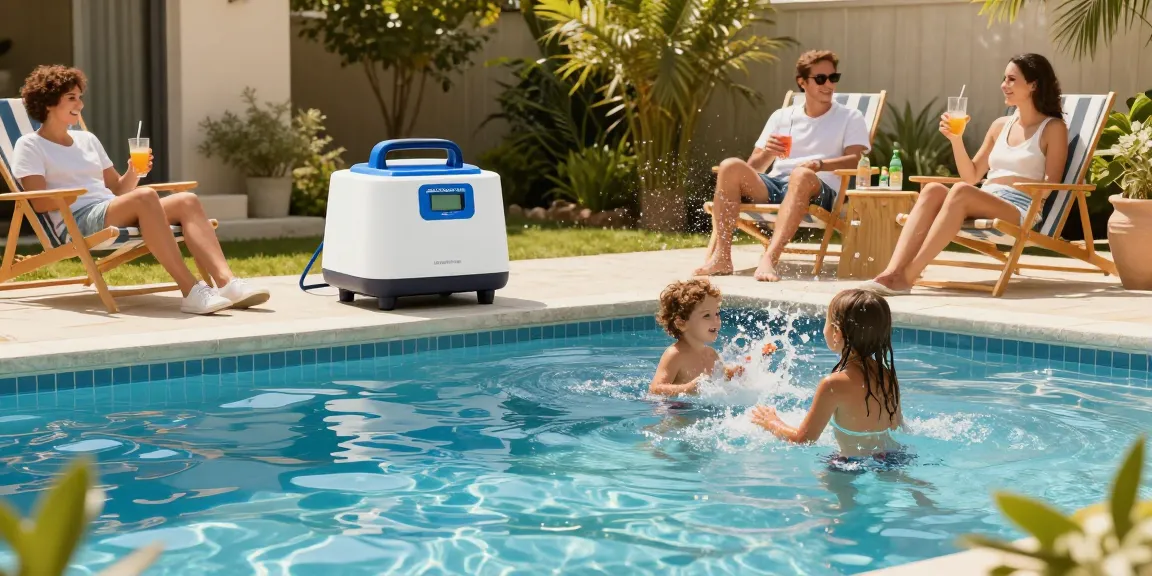
Maintaining a pristine swimming pool is a crucial aspect of pool ownership, particularly for those with inground pools. One of the most effective and efficient ways to keep pool water clean and safe for swimming is through the use of a chlorinator. These devices automate the process of chlorine generation, ensuring that your pool remains in optimal condition with minimal manual intervention. When exploring options, best chlorinator for inground pools can provide comprehensive insights into keeping your pool water sparkling clean.
What is a Chlorinator and How Does it Work?
A chlorinator is a device that uses a saltwater system to generate chlorine for your pool. This is done by dissolving pool salt in water, which is then passed through an electrolytic cell. The process of electrolysis transforms the salt into chlorine, which sanitizes the water effectively. As the water circulates through the chlorinator, it continually produces chlorine, keeping levels stable and minimizing the need for manual chemical additions.
Benefits of Using Salt Water Chlorinators
- Reduced Chemical Handling: Eliminates the need for handling harsh chlorine chemicals, making pool maintenance safer and easier.
- Consistent Chlorine Levels: Maintains stable chlorine levels, reducing the fluctuations often seen with traditional chlorination methods.
- Gentler on Skin and Eyes: Saltwater pools are often perceived as more comfortable for swimmers, providing a gentler experience than conventional chlorinated water.
- Long-term Cost-Effectiveness: Although initial setup costs can be higher, the ongoing savings from reduced chemical purchases and maintenance can offset these expenses over time.
Common Myths About Pool Chlorination
There are several myths surrounding chlorination that can lead to confusion among pool owners. One common myth is that saltwater pools do not need any chlorine at all; the truth is, saltwater pools still require chlorine, albeit produced from the salt through the chlorinator. Another misconception is that saltwater pools are less effective at sanitizing. In reality, with proper maintenance, saltwater systems can provide a clean and safe swimming environment just as effectively as traditional chlorination systems.
Why Choose K-Chlor Digital Gold Series Chlorinators?
When considering the best options in chlorination technology, K-Chlor Digital Gold Series stands out as a premier choice for pool owners. Not only do they offer advanced features, but they are also tailored specifically for Australian pool conditions, ensuring optimal performance.
Overview of K-Chlor Features
The K-Chlor Digital Gold Series chlorinators incorporate advanced micro-controller technology to optimize chlorine production efficiently. Key features include:
- Self-Cleaning Cells: These cells reduce the buildup of calcium, extending their lifespan and reducing maintenance needs.
- User-Friendly Interface: An intuitive control panel allows for easy operation and monitoring of chlorine production levels.
- Durability: Built with high-quality materials, K-Chlor units are designed to withstand the harsh Australian climate.
Performance in Australian Conditions
Australian pools face unique challenges, such as high temperatures and exposure to debris and environmental factors. K-Chlor’s Digital Gold Series chlorinators are engineered to deliver reliable performance even under these demanding conditions, ensuring that your pool remains clean and inviting throughout the swimming season.
Customer Feedback and Satisfaction
Many users have praised the K-Chlor Digital Gold Series for its reliability and ease of use. Customer feedback highlights the effectiveness of the self-cleaning feature and the overall maintenance reduction, making it a popular choice among Australian pool owners.
Choosing the Right Replacement Cells
Over time, chlorinator cells will wear out and require replacement. Understanding how to choose the right replacement cell is crucial for maintaining optimal pool conditions.
Identifying the Right Fit for Your Chlorinator
To ensure efficient operation, it’s essential to select a replacement cell that matches your chlorinator model. K-Chlor offers specific replacement cells for various models, including:
- CKGS15RP for KGS15
- CKGS20RP for KGS20
- CKGS25RP for KGS25
- CKGS100RP for KGS100
Benefits of Generic vs. Original Manufacturer Cells
While original manufacturer cells guarantee compatibility, generic replacement cells can often provide similar performance at a lower cost. Many pool owners find that high-quality generic options, such as those offered by Best Pool Chlorinators, maintain reliable chlorine production without the premium pricing of original parts.
Signs It’s Time for Replacement
Recognizing when to replace your chlorinator cell is vital. Indicators may include:
- Declining chlorine production
- Changes in water clarity or odor
- Visible calcium buildup despite cleaning
Maintenance Tips for Your Chlorinator
Regular maintenance is crucial for extending the life of your chlorinator and ensuring it operates efficiently. Here are some best practices to follow:
Proper Installation and Setup
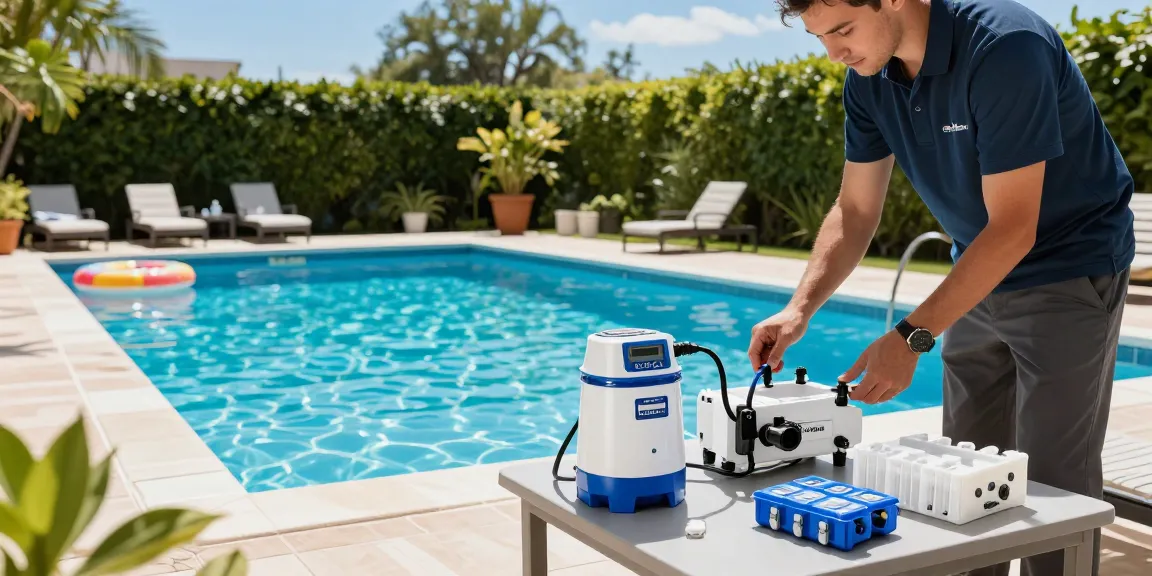
Ensuring that your chlorinator is installed correctly is fundamental for optimal performance. Follow the manufacturer’s guidelines or consult with a professional if unsure about the installation process.
Upkeep Best Practices for Longevity
- Regularly check salt levels to ensure the unit functions correctly.
- Clean the salt cell periodically to prevent calcium buildup.
- Monitor chlorine levels in the pool and adjust settings as necessary.
Common Issues and Troubleshooting
Being proactive in troubleshooting can save time and money. Common issues include low chlorine output, which can often be resolved by checking salt levels or cleaning the cell. If problems persist, consulting with a professional is advisable.
Future Trends in Pool Chlorination Technology
The pool industry is continuously evolving, and staying updated on future trends can benefit pool owners. Here are some anticipated advancements in chlorination technology:
Innovations Affecting Pool Care in 2026
With advancements in technology, future chlorinators may feature enhanced automation, allowing for remote monitoring and operation via smartphone apps. This could simplify maintenance and offer real-time insights into water quality.
Eco-Friendly Solutions for Chlorination
As environmental concerns grow, there’s an increasing focus on eco-friendly chlorination methods. Innovations such as solar-powered chlorinators or systems designed to minimize energy use will likely gain traction among environmentally conscious consumers.
What to Expect from Brands in the Next Few Years
Brand innovation will continue to prioritize user experience, with a focus on durability, efficiency, and ease of use. Additionally, advancements in self-cleaning technologies may further reduce maintenance requirements, benefitting the convenience-oriented pool owner.
FAQs on Pool Chlorination
What is the best chlorinator for inground pools?
The best chlorinator will depend on individual pool size, usage, and specific needs, but models like the K-Chlor Digital Gold Series are highly recommended for their reliability and performance.
How often should I replace chlorinator cells?
Generally, chlorinator cells should be replaced every 3-5 years, but this can vary based on usage and maintenance. Regular checks can help identify when replacement is necessary.
Can I use a K-Chlor chlorinator for above-ground pools?
Yes, K-Chlor chlorinators can be used for above-ground pools, provided they are compatible with the pool’s size and specific chlorination requirements.
What makes salt water pools easier to maintain?
Salt water pools require less frequent chemical handling, have more stable chlorine levels, and typically offer a more comfortable swimming experience, making them easier to maintain over time.
How do I choose the right size chlorinator for my pool?
Choosing the right size chlorinator involves considering your pool’s volume, usage patterns, and environmental factors. Manufacturer guidelines often provide sizing recommendations based on these criteria.