Understanding Pool Chlorination Systems
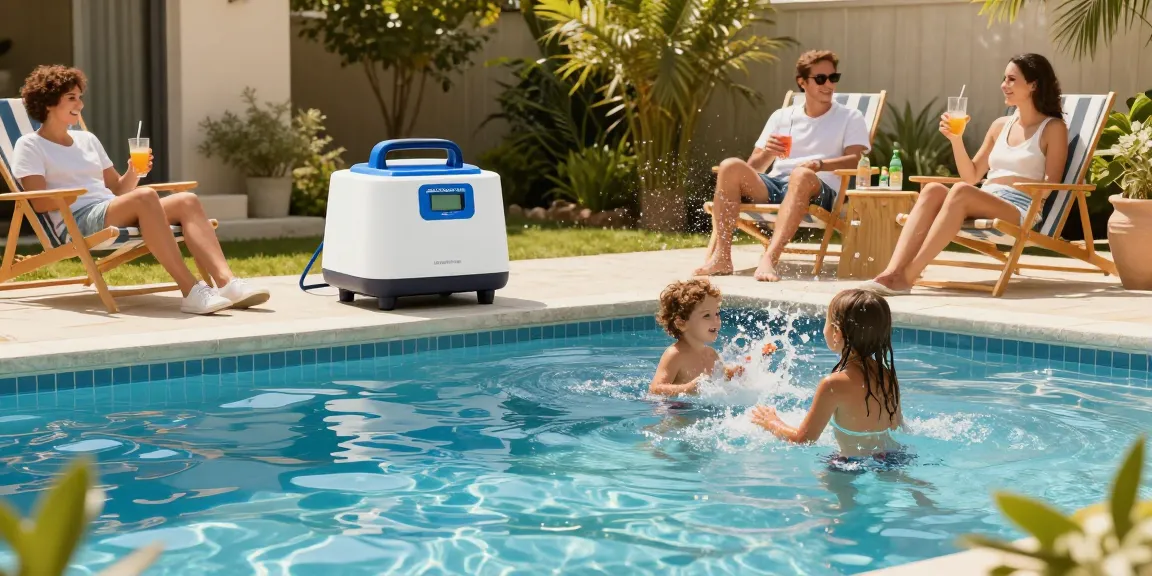
To maintain a clean and safe swimming pool, understanding the technology behind chlorination systems is essential. Among the various methods available, salt water chlorinators are gaining popularity in Australia, particularly for their ease of use, cost efficiency, and effectiveness. When exploring options, Best Pool Chlorinators in Australia provides comprehensive insights into the best products available in the market.
What is a Salt Water Chlorinator?
A salt water chlorinator is a device that converts dissolved salt into chlorine through a process called electrolysis. This method significantly reduces the need for manually adding chlorine, allowing for continuous sanitization of pool water. By maintaining automated chlorine levels, these systems contribute to a healthier swimming environment, without the harsh side effects commonly associated with traditional chlorine treatments.
How Do K-Chlor Digital Gold Series Chlorinators Work?
The K-Chlor Digital Gold Series chlorinators utilize advanced micro-controller technology to manage chlorine production efficiently. As water circulates through the chlorinator, the system generates chlorine gas when electrical currents pass through the saltwater cell. This gas dissolves in water, converting into sodium hypochlorite, which sanitizes the pool. Notably, these units are designed with self-cleaning capabilities, which help to minimize calcium build-up and prolong the life of the chlorinator.
Advantages of Using a Chlorinator
- Reduced Chemical Handling: With a saltwater chlorinator, pool owners eliminate the need for lugging, measuring, and pouring bulk chlorine chemicals.
- Consistent Chlorine Levels: Automated systems help maintain stable chlorine levels, reducing the risk of algae growth and ensuring water clarity.
- Skin and Eye Comfort: Saltwater pools typically have lower levels of chlorine, making them gentler on the skin and eyes compared to traditional chlorine pools.
- Cost-Effective: Although initial investment may be higher, the overall cost savings from reduced chemical purchases can be significant over time.
Top K-Chlor Models Reviewed
When it comes to the K-Chlor Digital Gold Series, several models cater to various pool sizes and requirements. Each model is engineered with the same high standards of reliability and efficiency, but they differ in their output capacities.
Overview of KCHLOR KGS Models
The K-Chlor range includes models from KGS15 to KGS100, accommodating pools of different volumes. These models are designed to meet the needs of both residential and commercial pools. Each unit is built to withstand the unique conditions present in Australian pools, ensuring longevity and optimal performance.
Comparative Analysis: KGS15 vs KGS100
Choosing the right model depends on your pool’s size and usage. The KGS15 is suitable for smaller pools up to 15,000 liters, making it perfect for residential requirements. In contrast, the KGS100 is engineered for larger pools, capable of handling up to 100,000 liters, thereby supporting high-demand environments like hotels or community pools. Both models feature intuitive digital displays and user-friendly controls, offering ease of operation.
User Feedback on K-Chlor Models
Customer testimonials highlight the reliability and performance of K-Chlor models. Users often report lower maintenance requirements due to the self-cleaning feature, greater satisfaction with water quality, and overall enhanced swimming experiences. Many also appreciate the extended warranties offered on K-Chlor products, indicating a solid investment in pool maintenance technology.
Choosing the Right Chlorinator for Your Pool Size
Selecting the ideal chlorinator is crucial for maximizing efficiency and ensuring effective pool sanitation. Consider the following guidelines to make an informed choice.
Guidelines for Selecting Pool Chlorinators
When selecting a chlorinator, assess factors such as your pool’s size, average water temperature, and frequency of use. Larger pools or those used more frequently may require a more robust chlorination system to maintain adequate chlorine levels.
Size Recommendations for Different Pool Volumes
Here’s a quick reference for chlorinator model recommendations based on pool size:
- KGS15: Up to 15,000 liters
- KGS20: Up to 20,000 liters
- KGS25: Up to 25,000 liters
- KGS30: Up to 30,000 liters
- KGS35: Up to 35,000 liters
- KGS50: Up to 50,000 liters
- KGS75: Up to 75,000 liters
- KGS100: Up to 100,000 liters
Frequency of Use and System Efficiency
The efficiency of a chlorinator can also be influenced by how often the pool is used. Higher pool traffic requires more frequent chlorination, thereby increasing the demand for chlorine production. It’s essential to select a model that can support your unique pool usage patterns for optimal water quality.
Maintaining Your Pool Chlorinator
Regular maintenance of your chlorination system is vital to its longevity and effectiveness in keeping your pool water crystal clear.
Routine Maintenance Best Practices
Routine maintenance involves cleaning the chlorinator cell, checking the salt levels, and ensuring that the system is functioning optimally. It is recommended to inspect the chlorinator every few months, especially during peak swimming season.
Signs Your Chlorinator Needs Repair
Look out for the following signs that may indicate your chlorinator requires attention:
- Reduced Chlorine Production: If chlorine levels are not meeting the desired levels, it may indicate a malfunction.
- Unusual Noises: Grinding or rattling noises can suggest internal damage or misalignment.
- Error Codes: Many digital chlorinators will display error codes that can help diagnose issues.
Replacing Chlorinator Cells: Step-by-Step Guide
Replacing a chlorinator cell is a straightforward process:
- Turn off the power to the chlorinator.
- Disconnect the old cell from the system.
- Install the new replacement cell, ensuring it is securely connected.
- Turn the power back on and check for proper operation.
Always consult your user manual for specific instructions relevant to your model.
Future Trends in Pool Chlorination Technology
As technology advances, the future of pool chlorination is set to evolve, driven by innovation and the need for sustainability.
Innovations in Chlorinator Design for 2026
Upcoming designs will likely include enhanced connectivity features, such as IoT integration for remote monitoring and control. These features will enable users to manage their pool systems conveniently via smartphones or tablets, streamlining the maintenance process.
Automation and Smart Home Integration
In line with technological trends, future chlorinators may integrate seamlessly with smart home systems, allowing for automated adjustments based on pool usage and environmental conditions. Such capabilities can lead to enhanced efficiency, reduced manual oversight, and optimized chlorine production.
Sustainable Practices in Pool Maintenance
The shift towards sustainable pool maintenance practices will also play a crucial role in future chlorinator systems. Manufacturers are focusing on developing energy-efficient models and environmentally friendly replacement parts to minimize ecological footprints while maintaining effective pool sanitation.
What are the benefits of saltwater chlorination?
Saltwater chlorination offers numerous benefits, including reduced chemical costs, less maintenance, and an improvement in water quality. The naturally occurring salt in the water ensures a more balanced chlorine distribution, leading to a more enjoyable swimming experience.
How often should I replace my chlorinator cell?
Typically, chlorinator cells need replacing every 3 to 7 years, depending on usage and maintenance. Regular checks and adherence to maintenance schedules can extend the life of the cell.
Can I install a chlorinator myself?
Yes, many homeowners opt to install saltwater chlorinators themselves, provided they have basic plumbing and electrical understanding. However, consulting with a professional can ensure a correct and safe installation.
What maintenance do saltwater pools require?
Saltwater pools require regular maintenance, including periodic checks of salt levels, cleaning of the chlorinator cell, and balancing other water chemistry parameters such as pH and alkalinity.
Are K-Chlor products covered by warranty?
Yes, K-Chlor products come with a 5-year full warranty, providing peace of mind to pool owners. This warranty covers the equipment against factory defects and ensures a reliable investment in your pool maintenance system.