Introduction to LID and LeTID in PV Modules
The advancement of solar technology has transformed how we harness renewable energy, yet challenges remain, particularly regarding the performance of photovoltaic (PV) modules over time. Two significant types of degradation—Light Induced Degradation (LID) and Light and Elevated Temperature Induced Degradation (LeTID)—pose challenges for solar energy efficiency and longevity. Understanding these issues is crucial for anyone investing in solar technology, from homeowners to large-scale energy companies. When exploring options, degradación LID y LeTID en módulos PV offers comprehensive insights on this important topic.
The efficiency of solar panels can directly influence the financial viability of solar energy projects. Each type of degradation affects the overall performance and lifespan of PV modules, necessitating a thorough understanding of their mechanisms. This article aims to elucidate the nature of LID and LeTID, explore their causes, impacts, and offer best practices to mitigate their effects, ensuring the durability and efficiency of solar investments.
What Are LID and LeTID?
What Are LID and LeTID?
Light Induced Degradation (LID) is a phenomenon observed in crystalline silicon solar cells, where the efficiency of solar panels can drop by 1-3% during the initial hours of solar exposure. This degradation results from the formation of defects in the silicon structure caused by light exposure, leading to the recombination of charge carriers, thus reducing the electrical output.
On the other hand, Light and Elevated Temperature Induced Degradation (LeTID) refers to a more complex degradation process that occurs over time, particularly in multicrystalline silicon cells. Unlike LID, which primarily occurs rapidly, LeTID may manifest over several months or years and is significantly influenced by both light and high temperatures. This form of degradation can lead to a notable loss of efficiency, ranging from 5-15% depending on environmental conditions and cell design.
Importance of Degradation Understanding
Understanding the distinctions between LID and LeTID is crucial for stakeholders in the solar industry. For manufacturers, knowledge of these degradation mechanisms informs the design of more robust solar cells that mitigate early loss in efficiency. For investors and consumers, awareness helps in making informed decisions regarding the longevity and performance expectations of solar installations. Addressing these degradation issues can significantly enhance the return on investment in solar technologies.
Impact on Solar Energy Performance
Both LID and LeTID have substantial implications on solar energy performance. They can diminish the overall output of a solar energy system, leading to prolonged payback periods and reduced financial returns. As solar energy becomes increasingly integral to global energy solutions, addressing these degradation challenges is essential for maintaining efficiency and competitiveness in the market.
Mechanisms Behind LID and LeTID
Chemical Reactions and Degradation Process
The fundamental chemical processes behind LID involve the formation of boron-oxygen complexes in p-type silicon. When these complexities are exposed to sunlight, they become unstable, leading to a reduction in the number of charge carriers within the cell. In multicrystalline silicon, LeTID arises from a slightly different phenomenon. Here, the interaction between light, temperature, and the structure of the silicon matrix can lead to the formation of defects that propagate through the material, causing marked efficiency drops over time.
Environmental Factors Influencing Degradation
Environmental conditions play a significant role in the degradation of PV modules. High temperatures can exacerbate the effects of both LID and LeTID. Prolonged exposure to sunlight, particularly in hotter climates, can increase the rate at which these degradations occur. Additionally, factors such as humidity, air pollution, and the quality of installation can influence the robustness of PV modules against these degradation processes.
Material Properties and Their Role
The type of materials used in constructing solar cells can greatly affect their susceptibility to LID and LeTID. High-quality silicon and advanced manufacturing techniques can lead to more resilient products. For instance, panels that employ passivation techniques or those made from monocrystalline silicon tend to show reduced degradation compared to standard multicrystalline silicon cells. Manufacturers who focus on innovative material science have the potential to improve performance and longevity significantly.
Best Practices for Mitigating LID and LeTID Effects
Choosing High-Quality PV Modules
One of the most effective means of combating LID and LeTID is the selection of high-quality PV modules. Investing in reputable brands known for their rigorous testing and high production standards can greatly reduce the risks associated with degradation. Advanced technologies, such as bifacial panels and those utilizing improved cell structures, tend to perform better under conditions that typically induce degradation.
Installation Techniques to Minimize Degradation
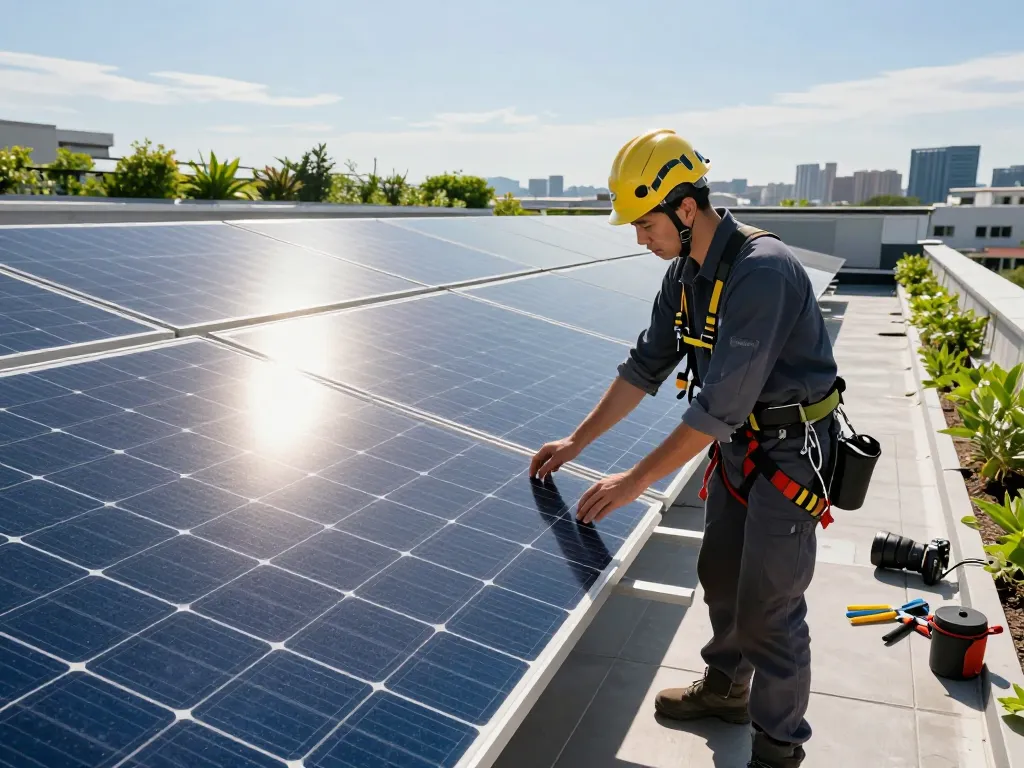
Proper installation is key to minimizing the risks of LID and LeTID. Ensuring that panels are mounted correctly to allow for adequate airflow can help maintain optimal temperatures. It is also advisable to avoid shading from nearby objects or dirt accumulation, as these factors can elevate temperatures and exacerbate degradation processes.
Regular Maintenance and Monitoring Strategies
Routine maintenance and monitoring of solar systems can detect early signs of degradation and overall performance issues. Regular cleaning of panels and monitoring of output can help maintain efficiency and catch potential problems before they escalate. Technologies such as remote monitoring systems can provide real-time data, allowing for swift action in response to performance declines.
Real-World Impacts of Degradation on Solar Projects
Case Studies of LID and LeTID in Action
A review of various solar projects reveals the real-world impacts of LID and LeTID. For instance, a large-scale solar farm in Southern Spain saw a decrease in energy output due to elevated temperatures contributing to rapid LeTID effects. Conversely, a well-maintained solar installation in a temperate climate demonstrated minimal losses, emphasizing the effectiveness of proper management practices. These case studies highlight the importance of understanding degradation mechanisms in optimizing solar energy systems.
Economic Implications for Solar Investments
The economic ramifications of LID and LeTID can be significant. Systems that experience high levels of degradation may face increased operational costs and reduced financial returns, which can influence future investments in solar technology. By understanding degradation processes, stakeholders can make better financial decisions and develop strategies that minimize potential losses.
Long-Term Performance Metrics
Understanding degradation also feeds into long-term performance metrics for solar panels. Performance models that account for LID and LeTID can provide more accurate projections regarding energy production and financial returns. By incorporating these factors into planning and design, solar projects can be optimized for longevity and reliability.
Future Trends in PV Technology Related to Degradation
Innovative Solutions on the Horizon
The future of photovoltaic technology is bright, with numerous innovations aimed at reducing the impacts of LID and LeTID. Research into alternative materials and cell designs, such as heterojunction technology and tandem cells, shows promise in delivering high efficiency with lower degradation risks. Machine learning and data analytics are also being employed to predict and manage degradation outcomes more effectively.
Research Directions for 2026 and Beyond
As the solar industry evolves, ongoing research will focus on understanding the underlying mechanisms of LID and LeTID better. Studies into the interaction between different materials and environmental factors will provide valuable insights. Collaborations between academia and industry will be essential for advancing technologies aimed at combating these degradation challenges.
Predicted Changes in Industry Standards
With the growing awareness of LID and LeTID, it is expected that industry standards will evolve. Stricter testing and certification processes for solar panels may emerge, ultimately benefiting consumers by promoting higher-quality products that are resilient to degradation. Enhanced warranty policies may also become the norm, providing investors with greater confidence in their solar systems.
What are the long-term consequences of LID and LeTID?
The long-term consequences of LID and LeTID can significantly affect the efficiency of solar energy systems. Continual losses in output can lead to increased operational costs, reduced return on investment, and a longer payback period. It’s crucial for stakeholders to understand and adapt to these challenges to ensure the viability of their solar investments.
How can solar panel owners mitigate these degradations?
Solar panel owners can mitigate the effects of LID and LeTID through a combination of careful selection of high-quality modules, proper installation techniques, and regular maintenance. Additionally, keeping abreast of technological advancements and potential upgrades can help in maintaining optimal performance over time.
What advancements are being made to improve PV technology?
Advancements in PV technology, such as the development of new materials, innovative module designs, and smarter monitoring systems, are continually being pursued. These improvements aim to enhance efficiency while minimizing degradation risks, offering exciting opportunities for improved solar energy performance.
Are there specific module types less affected by LID and LeTID?
Some module types, particularly those utilizing advanced technologies such as PERC (Passivated Emitter Rear Cell) and bifacial designs, tend to be less susceptible to LID and LeTID. Choosing the right type of module based on environmental conditions and installation practices is key to mitigating degradation risks.
What is the average degradation rate of solar panels?
On average, solar panels degrade at a rate of about 0.5% per year under optimal conditions. High-quality panels may exhibit lower degradation rates, while lower-quality products can degrade at rates of 0.8% to 1% annually. Understanding these rates is essential for evaluating the long-term feasibility of solar investments.