Understanding Colonial Home Construction
Colonial home construction represents an enduring architectural style that resonates with many homeowners today. The charm of these homes lies in their historical roots and classic designs, making them a popular choice for new builds and renovations alike. This article delves into the various aspects of colonial home construction, from understanding its history to executing a successful construction project.
History and Evolution of Colonial Homes
The architectural genre known as Colonial has its origins in the early 1600s when European settlers arrived in America. The earliest Colonial homes were influenced by the various regions of their builders’ origin, leading to distinct regional styles.
As these homes evolved, different architectural elements were introduced, leading to what we now categorize into several styles, including Georgian, Dutch Colonial, Spanish Colonial, and Federal. Each variant showcases the unique cultural influences and environmental adaptations of the time.
The Colonial style became prominent once again in the mid-20th century as homeowners sought to recapture the aesthetic of America’s past. Today, elements from these historic designs are often integrated into modern constructions, creating homes that are both functional and historically rich.
Characteristics of Colonial Architecture
Colonial homes are known for their symmetry and proportionate design. Key characteristics may include:
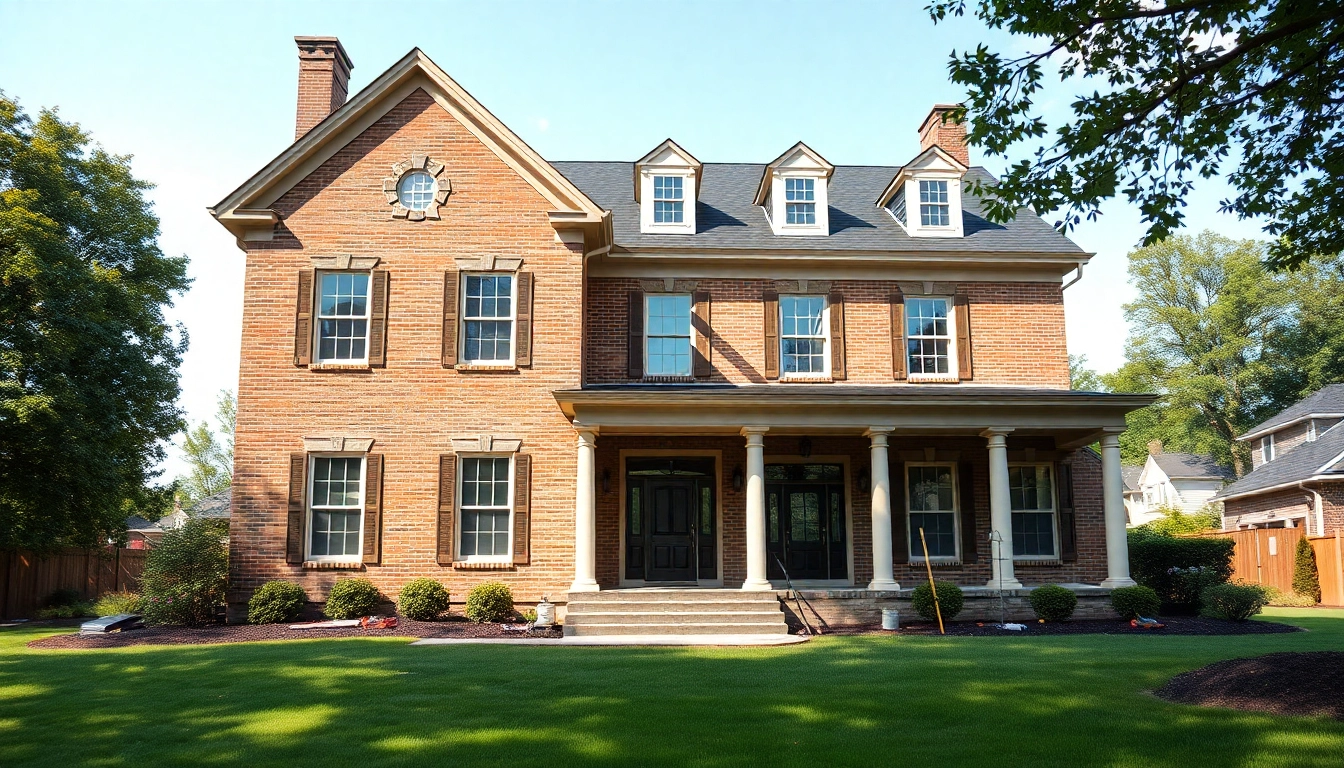
- Symmetrical Facade: Many Colonial homes feature a centered entrance, flanked by evenly spaced windows.
- Gable Roofs: The distinctive steep roofs often come with dormer windows to provide increased attic space.
- Columns and Pilasters: These structural elements add elegance and a sense of grandeur to the entrance.
- Multi-pane Windows: Window designs often have multiple small panes, contributing to the historical feel.
- Chimneys: Prominent chimneys are frequently centered on the roof, serving both functional and aesthetic purposes.
Importance of Colonial Home Construction Styles
Choosing a Colonial style can offer several advantages. Not only does it embody historical significance, but the design also promotes practicality and resilience. Colonial homes are typically built to withstand varying climates, thanks to their robust construction materials and techniques.
Moreover, the demand for Colonial homes often remains steady due to their timeless appeal, contributing to potential long-term value appreciation. Homebuyers gravitate towards these homes not just for their style, but also for the lifestyle they represent—one imbued with tradition and comfort.
Planning Your Colonial Home Construction
When undertaking a Colonial home construction project, meticulous planning is crucial. It sets the foundation for a successful build, enabling you to navigate each stage effectively and ensuring that your vision is realized.
Choosing the Right Location and Land
The location of your Colonial home can dramatically influence its design and functionality. Ideally, seek a site with sufficient space, allowing for an expansive layout representative of Colonial architecture. Consider factors such as proximity to amenities, the neighborhood’s character, and land topography. In urban settings, ensure compatibility with local zoning regulations. In rural areas, consider access to utilities and the risk of natural disasters.
Design Considerations for Colonial Homes
Designing a Colonial home involves careful thought about both aesthetics and functionality. Consult with an architect experienced in Colonial designs to discuss:
- Floor Plan: Open floor plans may be less common in traditional Colonial architecture, so consider how spaces will be allocated and function together.
- Exterior Features: Wood siding and brick facades are traditional, but you can incorporate modern materials for sustainability.
- Interior Layout: Think about living areas, storage, and the flow of movement between rooms.
Budgeting for Colonial Home Construction Costs
Creating a realistic budget is vital for any construction project. Costs can quickly add up, so ensure you account for:
- Land acquisition and site preparation
- Building materials and labor
- Design and engineering fees
- Landscaping and exterior works
Always set aside a contingency fund (10-20%) for unexpected expenses, ensuring the project remains on track financially.
Materials for Colonial Home Construction
The choice of materials in Colonial home construction significantly affects both the aesthetic and longevity of the building. Understanding traditional versus modern options will aid in making informed decisions.
Traditional Materials Used in Colonial Designs
Colonial homes have historically been constructed using durable and locally sourced materials. Common choices include:
- Brick: Widely used for its longevity and weather resistance.
- Wood: Often seen in the framing and siding; traditional Colonial homes feature clapboard siding made from local wood.
- Stone: Used in foundations and fireplaces, providing a robust structural element.
Modern Alternatives for Colonial Construction
Today, homeowners can consider modern alternatives that enhance durability and energy efficiency. Options might include:
- Composite Materials: These can mimic the look of traditional woods while offering improved durability and less maintenance.
- Branded Siding Products: Many new materials provide the aesthetic of wood without susceptibility to rot or insect damage.
- Energy-Efficient Windows: High-performance windows that still respect the traditional multi-pane style but improve energy consumption.
Environmental Considerations in Material Selection
Environmentally sustainable practices are becoming increasingly important in construction. Aim for materials that are sourced sustainably and have low environmental impact. Consider using reclaimed wood, non-toxic finishes, and energy-efficient insulation materials to reduce your ecological footprint.
Executing Your Colonial Home Construction Project
Once planning is complete, execution takes center stage. This particular phase requires good project management and effective communication with your construction team.
Selecting Experienced Contractors
Hiring the right contractors can significantly affect the success of your construction project. Look for professionals with expertise in Colonial architecture, proven track records, and strong communication skills. Don’t hesitate to ask for references or visit completed projects to gauge their work firsthand.
Project Management Tips for Homeowners
As a homeowner, staying engaged throughout the construction process is key. Regular site visits and meetings with contractors will help you monitor progress. Utilizing project management software can assist in organizing timelines, budgets, and responsibilities. Promptly address any challenges that arise to avoid potential delays.
Ensuring Quality and Timeliness in Construction
Quality control is paramount in construction. Establish clear standards and expectations with your contractors from the outset. Regular inspections during the build phase will help identify any deficiencies or required adjustments early, ensuring the final design aligns with your visions.
Finishing Touches and Interior Design
The completion of your Colonial home construction will transition into the finishing touches, an equally vital aspect of ensuring that the space reflects your personal taste while honoring the architectural style.
Classic Interior Elements for Colonial Homes
Colonial homes often feature classic interior designs that resonate with their historical roots. Consider incorporating the following elements:
- Fireplaces: Central to the Colonial design, a fireplace provides both warmth and a focal point.
- Crown Molding and Wainscoting: These details enhance the elegance and historical authenticity of the interiors.
- Traditional Furniture: Seek pieces made from natural materials that complement the architectural style.
Landscaping Ideas Complementing Colonial Architecture
Landscaping should harmonize with the Colonial home’s aesthetic. Consider traditional elements such as:
- Symmetrical Gardens: Neatly trimmed hedges, classic flower beds, and shaped shrubs reflect the orderly design.
- Stone Pathways: Create charming walkways with natural stone or brick, leading guests through the garden.
- Historic Fencing: Picket fences or wrought iron gates add an extra charm to the property while maintaining a classic look.
Maintenance Tips for Lasting Colonial Home Appeal
To maintain the timeless appeal of a Colonial home, regular maintenance is essential. Here are essential tips:
- Inspect and preserve exterior materials to prevent rot and damage.
- Regularly clean and maintain the landscaping for curb appeal.
- Update interiors with traditional elements while accommodating modern needs, ensuring a harmonious blend.
Frequently Asked Questions (FAQs)
What are the different styles of Colonial homes?
Types include Georgian, Dutch Colonial, Federal, and Spanish Colonial, each showcasing distinct architectural features influenced by historical designs.
How much does it cost to build a Colonial home?
Cost varies based on factors such as location, size, materials, and labor. Average expenses might range anywhere from $150 to $250 per square foot.
Can I incorporate modern features into a Colonial design?
Yes, many homeowners blend modern elements like energy-efficient appliances and smart technology while maintaining classical aesthetics.
What materials are best for a Colonial home?
Traditional materials like brick, wood, and stone are ideal, though modern alternatives can offer longevity and efficiency without sacrificing style.
How can I maintain the historical value of my Colonial home?
Regular maintenance, careful restoration using historical materials, and respecting architectural details can help preserve your home’s historical value.