Understanding the Benefits of a Custom Pergola Configurator
As homeowners increasingly seek to enhance their outdoor living spaces, a custom pergola configurator has emerged as a vital tool in the home improvement industry. This innovative technology allows individuals to design their dream pergolas from the comfort of their homes, combining functionality with personalized aesthetics. When exploring options, custom pergola configurator tools not only streamline the design process but also empower users to make informed choices regarding materials, sizes, and styles, all tailored to their specific needs.
What is a Custom Pergola Configurator?
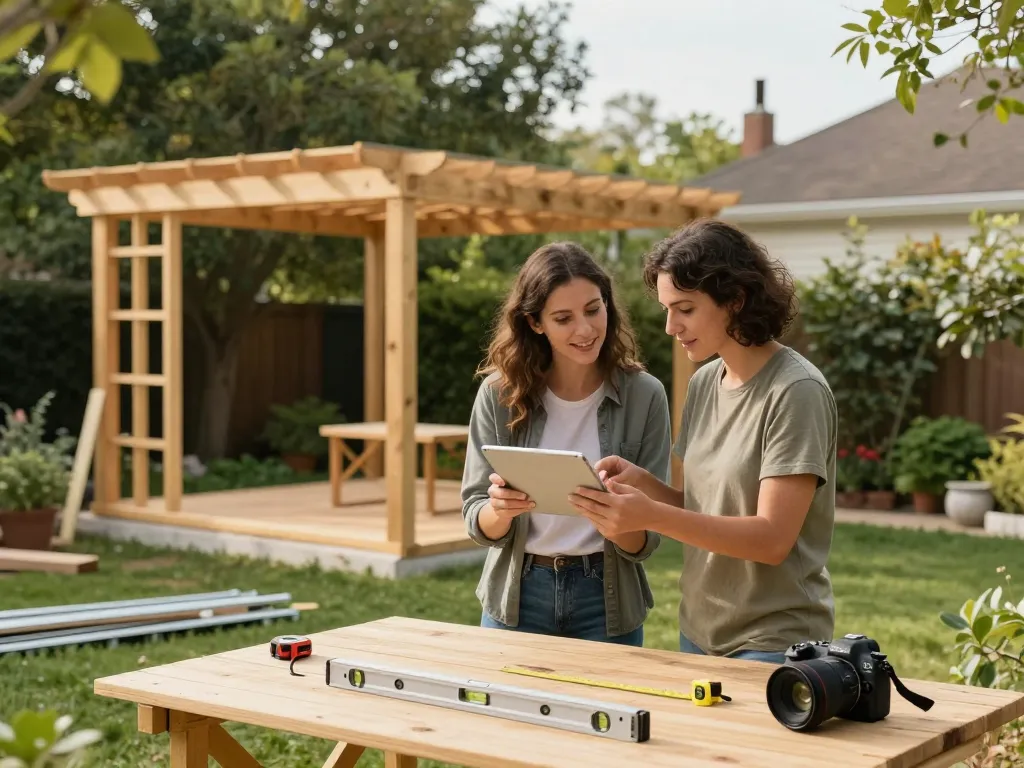
A custom pergola configurator is an online software tool that enables users to design their own pergolas according to their preferences. These tools typically feature easy-to-use interfaces where users can select various parameters, including size, shape, and materials. Once users input their specifications, the configurator generates a 3D model of the pergola, providing a realistic preview of what the finished product will look like. This capability not only enhances the user experience but also minimizes the uncertainties often associated with pergola construction.
Key Advantages for Homeowners
- Customization: Homeowners can tailor their pergolas to meet specific aesthetic and functional requirements, ensuring that the final product complements their home and garden.
- Visualization: The ability to see a 3D model helps eliminate guesswork, allowing users to fine-tune their designs before making a purchase.
- Cost Estimates: Most configurators provide immediate pricing based on the design, helping users stay within budget while ensuring they receive the features they want.
- Streamlined Process: By handling design details online, homeowners can save time and reduce the likelihood of errors that commonly occur in manual drafting.
How Configurators Improve the Design Experience
By integrating advanced technology, custom pergola configurators create a more engaging design experience. Users can experiment with various styles, from classic wooden pergolas to modern aluminum structures. Enhanced features, such as drag-and-drop interfaces and real-time adjustments, allow for intuitive design processes. Moreover, many configurators include environments where users can visualize their designs within a simulated outdoor space, further enhancing the decision-making process.
Designing Your Ideal Pergola: Tips and Tricks
Creating the perfect pergola involves more than just aesthetic choices; it requires thoughtful consideration of various factors. Here are some tips to guide you through the design process:
Choosing the Right Materials
The choice of materials significantly impacts both the durability and style of your pergola. Common options include:
- Wood: Traditional and aesthetically pleasing, wood offers a natural look but may require regular maintenance.
- Aluminum: Lightweight and durable, aluminum is resistant to corrosion and is available in various finishes, making it a versatile choice.
- Vinyl: Low maintenance and durable, vinyl pergolas come in multiple colors and styles, but may not provide the same aesthetic appeal as wood.
Incorporating Style and Functionality
When designing your pergola, consider how it will function in your outdoor space. Think about:
- Purpose: Will it provide shade, serve as a decorative piece, or perhaps both?
- Style: Choose a design that complements your home’s architecture, whether that’s a sleek modern look or a rustic country feel.
- Accessories: Consider adding elements like retractable canopies, built-in lighting, or climbing plants to enhance functionality and aesthetics.
Understanding Size and Dimensions
The size of your pergola should reflect its intended use and fit harmoniously within your outdoor space. Here’s what to keep in mind:
- Proportions: A pergola that is too large or too small can disrupt the visual balance of your yard. Measure the available space carefully.
- Height: Ensure the height of your pergola allows for adequate clearance for activities underneath, such as dining or lounging.
- Spacing: When designing, consider how far your pergola will extend from existing structures to maintain a comfortable flow in your outdoor area.
Common Challenges in Pergola Design
While the design process can be exciting, homeowners may face several challenges when planning their custom pergola. Understanding these obstacles can help mitigate potential setbacks.
Addressing Design Limitations
Some configurators may have limitations on design options, which can be frustrating. It’s essential to choose a configurator that offers extensive customization features, allowing you to experiment with various styles and materials to find your ideal design.
Overcoming Budget Constraints
Building a pergola can be a significant investment. To prevent overspending:
- Set a clear budget: Before starting the design process, determine how much you are willing to invest in your pergola.
- Prioritize features: Focus on essential elements first and consider optional features as add-ons that can be included later.
- Get multiple quotes: If you seek professional installation, obtain estimates from various contractors to find the best pricing without compromising quality.
Navigating Local Regulations and Permits
Before proceeding with your pergola project, it’s crucial to understand local building codes and regulations. Some areas require permits for structures like pergolas, especially if they are attached to a home. Researching these requirements ahead of time can save you from potential fines and the hassle of undoing work that violates local laws.
Real-World Applications of Custom Pergola Configurators
Custom pergola configurators have been instrumental in transforming outdoor spaces for many homeowners. Here are some examples of their successful applications:
Case Study: Successful Yard Transformations
One homeowner shared their experience with a custom pergola configurator that allowed them to visualize a unique design featuring a louvered roof system. They were able to adjust the angles and dimensions in real-time, leading to a stunning final product that provided both function and aesthetic appeal.
How Professionals Use Configurators
Landscape designers and contractors increasingly utilize configurators in their workflow. By incorporating these tools into their client consultations, they can offer real-time design options and adjustments, ensuring that customers feel involved in the process. This not only enhances customer satisfaction but can also lead to more profitable projects.
Customer Testimonials and Feedback
Users of custom pergola configurators often express satisfaction with how these tools enhance their design experience. Many highlight the ease of use and the accuracy of the final design, giving them confidence in their choices. Customer reviews frequently commend the ability to visualize their project before construction, allowing them to make informed decisions.
Future Trends in Pergola Design and Configurators
The future of pergola design and configurators looks promising, driven by emerging technologies and evolving consumer expectations.
Technological Advancements by 2026
By 2026, we can expect significant advancements in configurator technologies, including augmented reality (AR) features that enable users to project their designs onto their actual outdoor spaces for a more immersive experience. Such innovations will create more engaging interactions and enhance customer satisfaction.
Influence of Sustainability on Design Choices
As environmental awareness grows, sustainability will play a crucial role in material selection and design choices for pergolas. Expect increased availability of eco-friendly materials, such as reclaimed wood or recycled aluminum, as homeowners prioritize sustainable living.
Emerging Design Trends to Watch
Trends such as biophilic design, which emphasizes a connection to nature, will influence pergola aesthetics. Features such as vertical gardens, integrated lighting, and smart technology for shade control will enhance functionality while maintaining a natural feel in outdoor spaces.
What software options are available for custom pergola configurators?
Numerous software options exist, ranging from simple online design tools to complex 3D modeling software utilized by professionals. Popular choices include software like SketchUp, which allows for detailed modeling, and specific pergola configurators that provide streamlined design processes.
How can I ensure my pergola meets local building codes?
To ensure compliance, consult local zoning laws and building codes before starting your project. Consider checking with your local building department or hiring a contractor familiar with your area’s regulations to avoid potential issues.
What materials are best for durability in outdoor pergolas?
Durability largely depends on climate and exposure to elements. Aluminum and vinyl are highly resistant to weathering, while treated wood, such as cedar or redwood, can withstand moisture and decay if properly maintained. Your choice should reflect both aesthetic preferences and practical considerations.
Can I visualize my pergola design in 3D?
Yes, many custom pergola configurators offer 3D visualization capabilities that allow users to see their designs from various angles. This feature is invaluable for ensuring your design aligns with your vision and complements your outdoor space.
What customization options can I consider for my pergola?
Customization options can include selecting colors, sizes, roof types (such as solid or louvered), and additional features like lighting, privacy screens, or integrated planters. Tailoring these options allows you to create a pergola that meets your specific lifestyle and aesthetic needs.