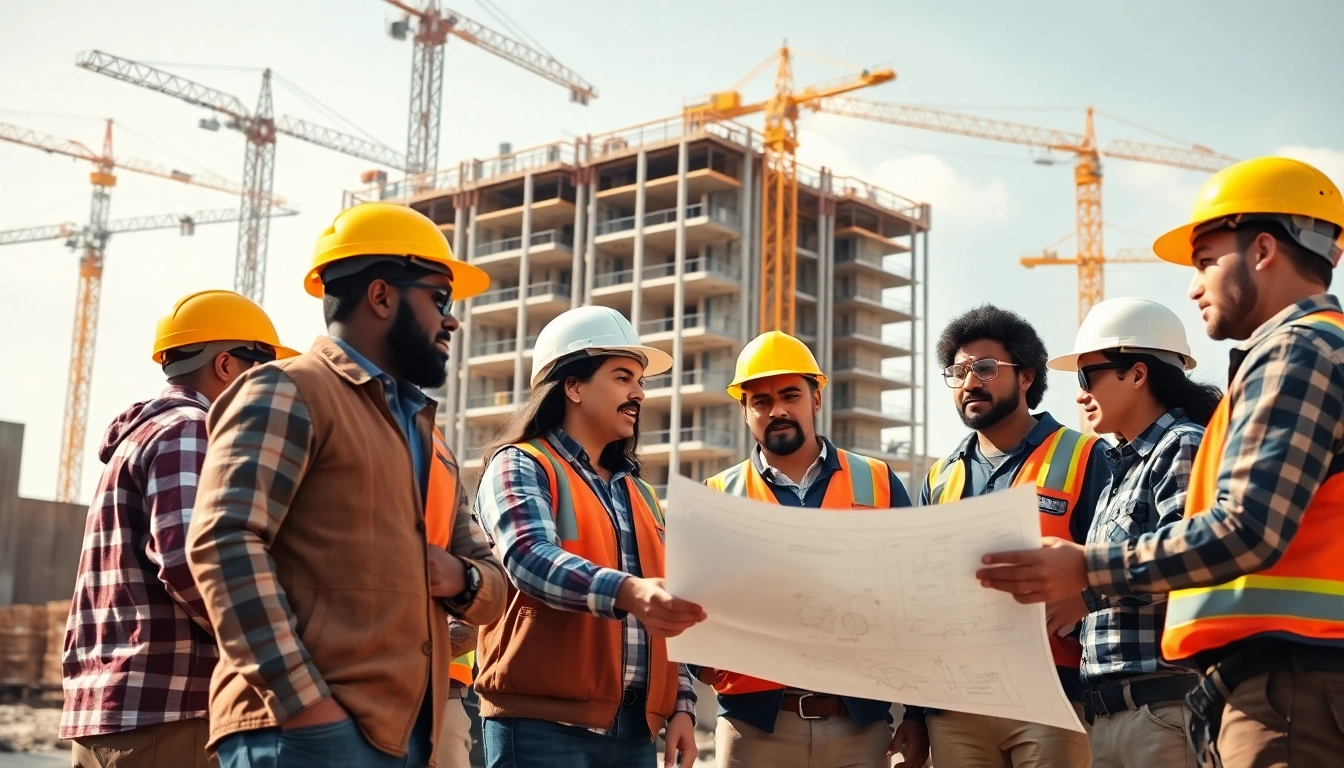
Understanding the Role of a New York City Construction Manager
The role of a New York City Construction Manager is multifaceted, encompassing various responsibilities that are critical for the successful completion of construction projects. Serving as the pivotal link between various stakeholders—clients, architects, engineers, contractors, and local government authorities—these professionals ensure projects are delivered on time, within budget, and to the specified quality standards. To navigate the complexities of New York City’s dense urban landscape, construction managers must possess a combination of technical knowledge, management skills, and an aptitude for problem-solving.
Key Responsibilities and Skills
A New York City Construction Manager is charged with a host of responsibilities that can be broadly categorized into several key areas:
- Project Planning: This involves setting the project scope, defining objectives, and developing a comprehensive strategy that includes timelines, resource allocation, and task delegation.
- Budget Management: Effective financial oversight is crucial. Construction managers must prepare budget estimates, monitor expenditures, and implement cost-control measures to prevent overruns.
- Compliance and Safety: Adhering to local building codes, safety regulations, and environmental laws is essential. Construction managers are responsible for ensuring that all activities comply with legal standards.
- Team Leadership: Leading and managing a team of construction workers, subcontractors, and suppliers is a vital role. This requires effective communication skills, conflict resolution abilities, and motivational strategies.
Importance in Project Success
The effectiveness of a New York City Construction Manager significantly influences project success. Their expertise can lead to enhanced operational efficiency, minimized risks, and cultivated stakeholder relationships. For example, proactive problem-solving skills can help anticipate and mitigate disruptions, whereas strong leadership fosters a collaborative work environment that encourages productivity.
Collaboration with Stakeholders
Collaboration is at the heart of construction management. A New York City Construction Manager regularly communicates with various stakeholders, including clients, team members, and regulatory bodies. By maintaining transparency and fostering open dialogue, construction managers can align project goals with stakeholder expectations, addressing any concerns that arise promptly.
Challenges Faced by New York City Construction Managers
While the position of a New York City Construction Manager is rewarding, it also comes with a unique set of challenges. Understanding these challenges helps managers devise strategies to navigate effectively.
Regulatory Compliance and Zoning Laws
New York City boasts intricate zoning regulations and building codes. Navigating these legal frameworks requires a thorough understanding of the laws governing construction. Failure to comply can result in costly delays, fines, or even project halt. Construction managers must ensure that all permits are obtained and that the project adheres to local laws, which can be time-consuming but is crucial for project feasibility.
Labor Shortages and Management
The construction industry often grapples with labor shortages, particularly in metropolitan areas like New York City. Finding skilled labor is a growing challenge, as demand outpaces supply. Construction managers must develop effective workforce strategies, including training programs, to attract and retain talent while managing teams effectively to ensure productivity amid these constraints.
Dealing with Weather and Environmental Concerns
Weather conditions can drastically affect construction schedules. In New York, extreme weather events such as heavy snow, rain, or heat waves may halt progress and pose safety risks. Construction managers need to incorporate contingency plans and flexible scheduling to address these unpredictable environmental factors, ensuring that project timelines remain realistic.
Best Practices for Effective Construction Management
To excel as a New York City Construction Manager, implementing best practices is essential. These methods streamline operations, ensuring that all aspects of the project are aligned and efficiently executed.
Project Planning and Scheduling
Meticulous project planning combined with robust scheduling tools helps construction managers oversee projects with greater precision. Tools like Gantt charts and critical path method analysis can visually organize tasks, showing dependencies and key milestones, thus allowing for effective tracking of both progress and potential delays.
Budget Management Techniques
Budget management extends beyond mere estimation; it encompasses continuous monitoring and adjusting as projects evolve. Implementing cost tracking software can provide real-time insights into financial standing and help identify areas where savings can be achieved—a critical skill in New York’s competitive construction market.
Implementing Safety Protocols
Safety is paramount in construction. Developing and enforcing robust safety protocols minimizes the risk of accidents and injuries on job sites. Regular safety training sessions and inspections create a culture of safety awareness, ensuring that all team members recognize potential hazards and adhere to precautionary measures.
Utilizing Technology in Construction Management
The integration of technology is revolutionizing the role of construction managers, enabling them to manage projects more efficiently and effectively.
Software Solutions for Project Management
Various software solutions are available that streamline project management processes. Tools such as construction management software allow for real-time collaborative work, document sharing, and progress tracking. By utilizing these technologies, construction managers can enhance communication among teams and keep stakeholders informed.
Adopting Building Information Modeling (BIM)
BIM is changing how construction projects are planned and executed. This advanced technology provides digital representations of physical and functional characteristics of structures, enabling better visualization, clash detection, and collaboration among all stakeholders involved in the project lifecycle.
Emerging Technologies to Enhance Efficiency
Emerging technologies such as drones, prefabrication, and 3D printing are transforming the construction landscape. Drones can be used for site surveys and monitoring progress, while prefabrication reduces waste and enhances construction speed. Employing these technologies not only improves operational efficiency but also contributes to sustainability efforts.
Future Trends Impacting New York City Construction Managers
As the construction industry evolves, staying ahead of trends is crucial for New York City Construction Managers. Adapting to these shifts can mean the difference between success and stagnation.
Green Construction and Sustainability Practices
With growing environmental concerns, there is an increasing push for sustainable building practices in New York City. Construction managers must familiarize themselves with green building techniques and materials that reduce environmental impact. Innovations such as energy-efficient systems and sustainable materials will soon become standards rather than exceptions.
Modernizing Infrastructure for Urban Growth
The ongoing modernization of New York City’s infrastructure presents both challenges and opportunities. Construction managers should focus on innovative solutions that can accommodate urban growth, such as smart building technologies that enhance infrastructure resilience and functionality, thereby improving the overall urban landscape.
Workforce Development and Training
Investing in workforce development is critical for a sustainable future in construction. As the industry evolves, continuous training and upskilling of personnel to handle new technologies and methodologies will ensure that the workforce remains competitive and well-equipped to meet future demands.
Frequently Asked Questions
What qualifications do I need to become a New York City Construction Manager?
Typically, a bachelor’s degree in construction management, engineering, or a related field is required, along with relevant work experience and strong management skills.
What are the main duties of a construction manager?
The primary duties include project planning, budget management, team leadership, compliance with regulations, and quality assurance throughout the construction process.
How do construction managers address labor shortages?
Construction managers can address labor shortages by implementing training programs to enhance skill sets and by creating partnerships with local educational institutions for workforce development.
What technology trends should construction managers follow?
Key technology trends include Building Information Modeling (BIM), project management software, drones for site surveys, and sustainable construction technologies.
How important is safety in construction management?
Safety is crucial in construction management. Establishing and enforcing safety protocols protects workers and reduces accidents, which can have legal and financial implications for projects.