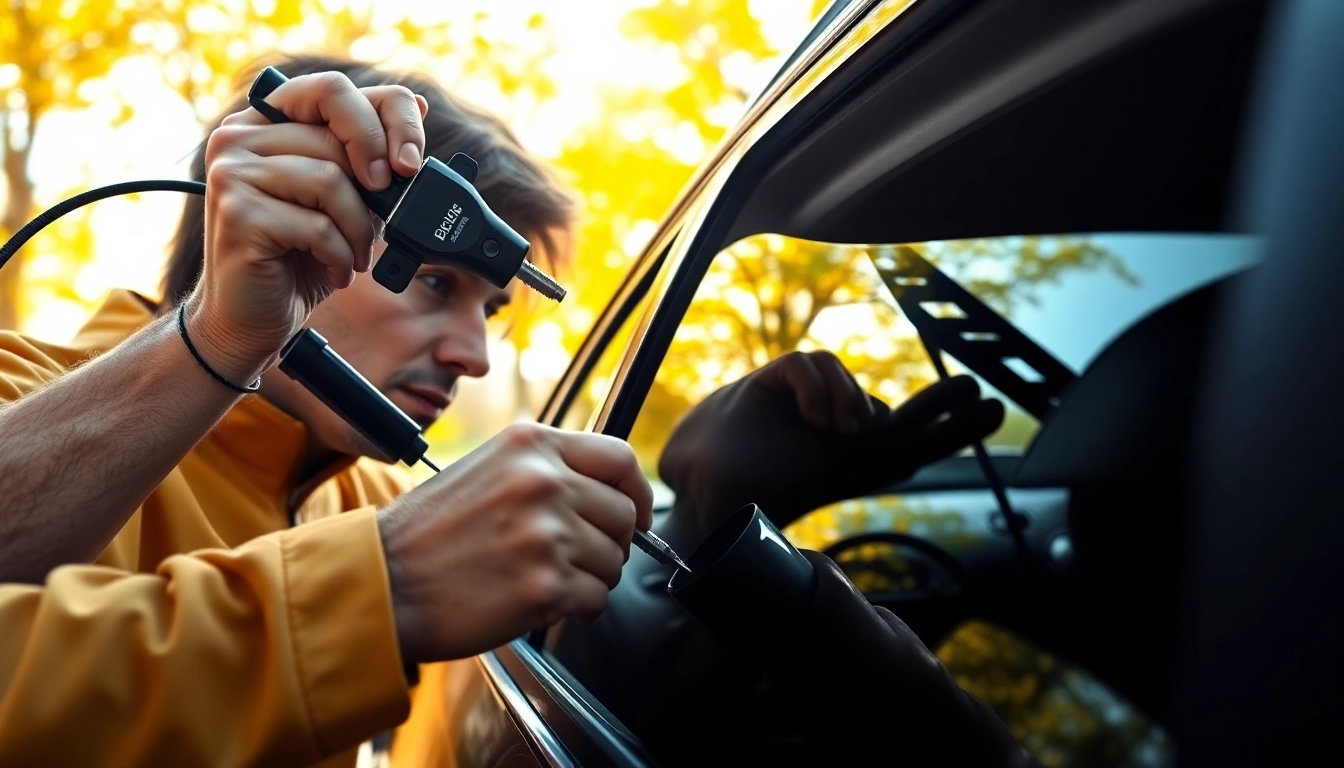
Understanding Window Tint Options
Types of Window Tint Films
When looking for window tint near me, it’s essential to understand the different types of window tint films available. Each type offers unique features and benefits, catering to various needs. Here are the most common types:
- Dyed Window Tint: This type utilizes a dye between an adhesive layer and a protective top coat. It effectively reduces heat and glare while enhancing the vehicle’s appearance.
- Metalized Window Tint: Incorporating microscopic metal particles, metalized tint reflects heat. It’s more durable than dyed tints, offering added strength against scratches.
- Carbon Window Tint: Made with carbon particles, this type provides a matte finish, blocks heat without interfering with signal transmission, and doesn’t fade over time.
- Ceramic Window Tint: The most advanced option, ceramic tint features nanotechnology that offers superior heat rejection, UV protection, and clarity without using metal or dyes.
- Hybrid Window Tint: As the name implies, this variety combines the benefits of dyed and metalized films, providing a balanced option for those who want both aesthetics and function.
Benefits of Window Tinting
Window tinting is not merely an aesthetic upgrade; it offers numerous functional benefits that enhance the driving experience. Here are key advantages:
- Heat Reduction: Tinted windows significantly lower the temperature inside a vehicle, making it more comfortable during hot weather.
- UV Protection: Tints can block up to 99% of harmful UV rays, safeguarding both the occupants and the vehicle’s interior.
- Glare Reduction: Tinting helps reduce glare from sunlight and oncoming headlights, improving driving safety.
- Increased Privacy: Tinted windows provide occupants with enhanced privacy and security, deterring potential thieves from targeting vehicles.
- Aesthetic Appeal: A stylish tint can improve the overall look of a vehicle, complementing its design and enhancing resale value.
Legal Considerations for Window Tinting
Before you decide to install window tints, it’s essential to be aware of local laws governing tint percentages and types of acceptable films. Different jurisdictions have varying regulations:
- Visible Light Transmission (VLT): Laws often specify the percentage of visible light that must pass through the tint. Understanding these thresholds is crucial.
- Windshield Tinting: Many regions only allow a certain amount of tint on the windshield or none at all, generally limited to a strip at the top.
- Color Restrictions: Some areas prohibit tints that are too reflective or certain colors, particularly red or blue.
- Certification: Ensure the tint you choose has the necessary certifications indicating it meets local quality and safety standards.
Finding Window Tint Near Me
Utilizing Online Reviews
In the digital age, consumer reviews play an important role in decision-making. Search platforms like Google, Yelp, or social media for window tint near me to locate reputable service providers:
- Read Customer Experiences: Focus on both positive feedback and complaints to gauge overall service quality.
- Expert Reviews: Websites that specialize in automotive services can provide professional insights about local tinting companies.
- Look for Recurrence of Recommendations: Multiple users recommending the same establishment likely reflects reliable service.
Evaluating Local Service Providers
Once you gather a shortlist of potential providers, it’s essential to evaluate them systematically:
- Check Credentials: Ensure the tinting companies possess the necessary licensing and experience.
- Request Portfolio Samples: A portfolio showcasing previous work can provide insight into the quality and style of the provider’s work.
- Ask About Guarantee Policies: Inquire if they offer warranties or guarantees on their work, a hallmark of quality service.
Comparing Prices and Packages
Pricing can vary widely between providers. It’s crucial to compare not only costs but also what each package includes:
- Itemization: Look for clear itemization in quotes to ensure comprehensive comparisons.
- Consider the Value: A lower price might not always equate to better value; consider the long-term benefits and quality of service.
- Seasonal Promotions: Many companies run promotions or discounts, especially during peak car maintenance seasons.
The Window Tinting Process
Preparation and Clean-Up
The window tinting process begins with thorough preparation. This includes cleaning the vehicle windows to remove dirt, grime, and previous tints, ensuring the adhesive bonds properly:
- Professional Cleaning: Most expert providers will use specialized solutions that ensure a spotless surface prior to tint application.
- Interior Protected: Covering interior surfaces prevents any unwanted adhesive fallout, protecting your vehicle during the tinting process.
Application Techniques
Application of window tinting films involves precision and expertise:
- Dry Application Method: This professional method ensures accurate placement with minimal risk of bubbles or wrinkles.
- Wet Application Method: While less common, this technique involves using a solution that allows for repositioning before it sets, providing flexibility in placement.
Curing and Maintenance
Once the tint is applied, proper curing and maintenance are crucial for longevity:
- Curing Time: Most films require a curing period of at least a few days to a week before rolling down the windows to avoid damaging the tint.
- Cleaning Guidelines: Use soft microfiber cloths and non-ammonia based cleaners to maintain the tint without causing scratches or damage.
Common Questions About Window Tint Near Me
FAQs and Misconceptions
Is window tinting legal in my state?
Window tinting laws vary by state. It’s vital to research your local regulations to ensure compliance before applying.
Does window tinting reduce visibility at night?
High-quality tints are designed to provide good visibility at night while still blocking glare. Choosing the right percentage is key.
How long does window tint last?
Depending on the type of tint and the quality of the installation, window tints can last anywhere from 5 to 15 years.
Can window tint damage my windows?
Professional installation done right should not damage your windows. Poor installation however can lead to bubbling or peeling.
What maintenance is required for window tint?
Regular cleaning with soft cloths and avoiding ammonia-based cleaners protects the integrity and appearance of your window tint.
How to Choose the Right Tint Level
Selecting the correct tint level can be challenging. Here are some key factors to consider:
- Purpose: Determine whether your goal is heat reduction, privacy, or aesthetics.
- Regulatory Limits: Always refer to your local laws governing tint levels to avoid fines or citations.
- Test Films: Many providers offer sample films; use them to see how different levels affect visibility and heat rejection.
Seasonal Considerations for Tinting
Time of year can impact your window tinting decision:
- Summer: Opting for tinting before the hot months begins can greatly benefit your vehicle’s comfort and interiors.
- Winter: While many overlook tinting in winter, ceramic films can provide insulation, reducing heating costs.
Maximizing the Benefits of Window Tint
Improving Energy Efficiency
One of the remarkable benefits of window tint is its capacity to enhance energy efficiency. Tinted windows reflect solar heat, thereby reducing the burden on your vehicle’s cooling system:
- Reduced Fuel Costs: By relying less on air conditioning, fuel economy can improve, saving money in the long run.
- Environmental Impact: Lower energy consumption leads to a reduced carbon footprint, contributing positively to the environment.
Protecting Interior Surfaces
Extended exposure to sunlight can cause dashboard and upholstery fading. Window tint acts as a barrier protecting against UV rays, prolonging the life and appearance of your interior:
- UV Protection: As mentioned, tints block up to 99% of UV rays, minimizing damage to fabrics and surfaces.
- Temperature Control: Tints help maintain a cooler temperature, reducing the likelihood of warping and cracking in various materials.
Enhancing Privacy and Security
Enhancing privacy is one of the immediate benefits of window tinting. Tints allow occupants to see outside clearly while obscuring visibility from the outside:
- Deterrent Against Theft: Tinted windows can discourage potential thieves from trying to break into vehicles as the interior is less visible.
- Increased Comfort: This privacy allows occupants to feel more secure, ultimately providing a better overall driving experience.