Understanding Flooring LVP
What is Flooring LVP?
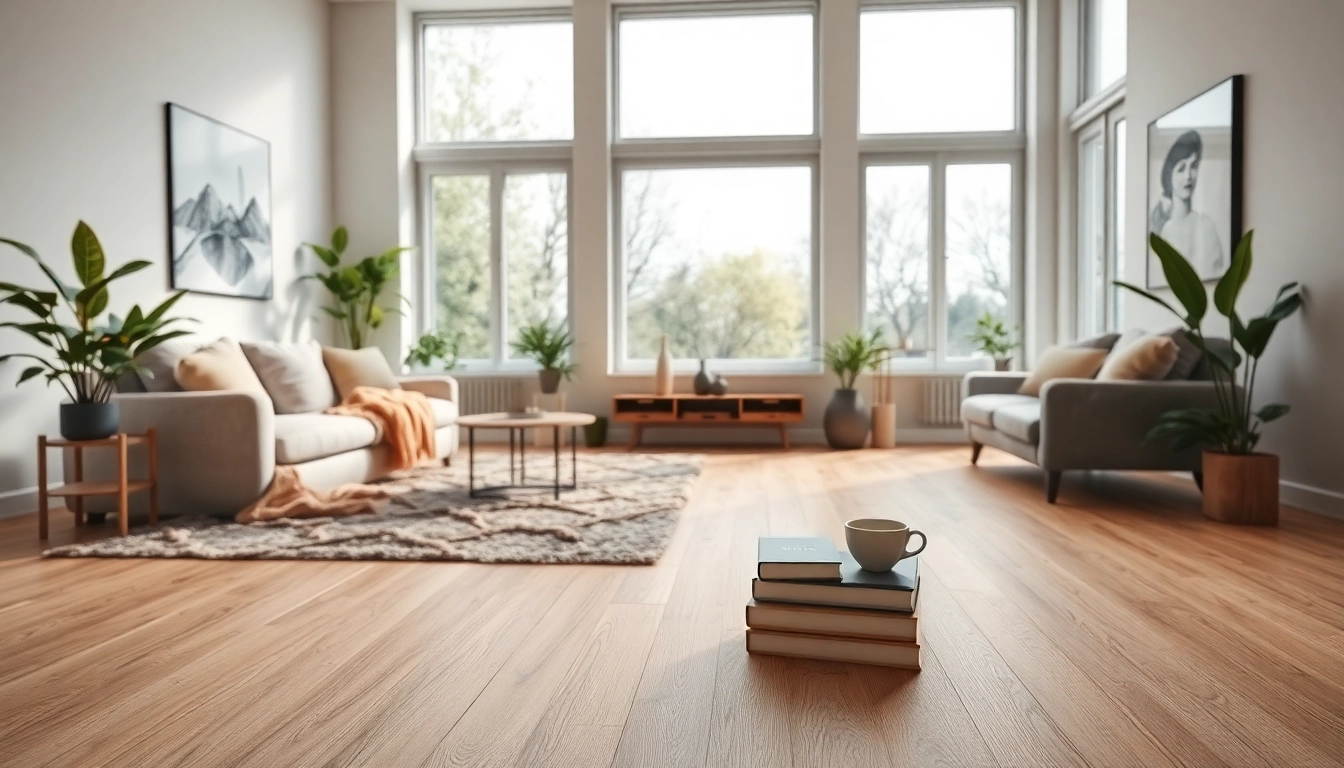
Luxury Vinyl Plank (LVP) flooring is a versatile and increasingly popular option for homeowners and designers looking for a combination of durability and aesthetic appeal. Made from multiple layers, LVP mimics the look of natural materials, such as wood or stone, without compromising on functionality. The core of LVP is constructed from polyvinyl chloride (PVC), providing a resilient surface that withstands moisture, scratches, and wear. Known for its ease of installation and maintenance, flooring lvp is an ideal solution for high-traffic areas or spaces prone to spills, such as kitchens and bathrooms.
Benefits of Choosing Flooring LVP
Flooring LVP brings several advantages that make it a favored choice compared to traditional flooring materials. Here are some key benefits:
- Water Resistance: One of the primary benefits of flooring LVP is its resistance to water, making it suitable for areas that are often exposed to spills or high humidity levels.
- Durability: The robust construction of LVP can handle heavy foot traffic, ensuring it maintains its appearance for years with minimal wear.
- Easy Installation: With various installation methods, including click-lock and glue-down options, flooring LVP can be installed quickly and easily, often without the need for professional assistance.
- Variety of Styles: Flooring LVP comes in an extensive range of designs, colors, and textures, allowing homeowners to achieve their desired aesthetic.
- Low Maintenance: Cleaning and maintaining flooring LVP is a breeze; regular sweeping and occasional damp mopping keep the floors looking fresh.
Types of Flooring LVP Materials
The construction of flooring LVP plays a critical role in its performance and suitability for different applications. Common types include:
- Rigid Core LVP: This type features a solid core that enhances stability and provides added comfort underfoot. It’s particularly good for handling uneven subfloors.
- Flexible Core LVP: Typically lighter and easier to handle, flexible core options are perfect for DIYers or projects where weight is a concern.
- Foam Core LVP: With a cushioned layer for additional comfort, foam core LVP is often quieter, reducing noise when walking over the surface.
- Wood or Stone Look LVP: Some LVP is designed to closely replicate the aesthetics of natural wood or stone, offering the visual benefits without the drawbacks of the original materials.
Installation of Flooring LVP
Preparing the Subfloor for Flooring LVP
Before you can install your flooring LVP, it’s crucial to prepare your subfloor adequately. The process involves the following steps:
- Check for Moisture: Measure the moisture levels of your subfloor. Ensure it meets the manufacturer’s specifications to prevent issues down the line.
- Clean the Area: Remove any debris, dust, or old flooring materials from the subfloor. An unclean surface can lead to uneven installation.
- Level the Surface: If there are any dips or cracks, use a leveling compound to create a flat surface, which is essential for proper installation.
- Install Underlayment: Consider using an underlayment suited for flooring LVP to provide additional cushioning, moisture barrier, and sound insulation.
Step-by-Step Installation Guide
Installing flooring LVP can be a satisfying DIY project if approached methodically. Here’s a step-by-step guide:
- Acclimate the Planks: Before installation, let the planks acclimate in the room for 48 hours, allowing them to adjust to the temperature and humidity.
- Plan the Layout: Decide the direction in which you want to lay the planks. Typically, planks are laid parallel to the longest wall or the primary source of natural light.
- Lay the First Row: Start by placing the first plank in the corner, ensuring it is straight and following your layout plan. Use spacers to allow for expansion gaps along the walls.
- Connect Planks: Continue laying the rows by connecting each plank as per the type of locking mechanism or glue method you are using.
- Cut to Fit: At the end of the row, measure and cut the planks to fit. Always leave space for expansion around edges.
- Install the Last Planks: Once you reach the last row, you may need to cut the planks lengthwise to ensure they fit snugly.
- Final Touches: Remove spacers, install baseboards or transition strips, and clean the surface of the flooring LVP to finish the installation.
Common Installation Mistakes to Avoid
Even with proper planning, mistakes can occur during installation. Here are some common pitfalls and how to avoid them:
- Skipping Moisture Testing: Failing to test for moisture can lead to warping or mold issues. Always conduct thorough moisture tests.
- Poor Layout Planning: Not considering the layout before starting can result in a less aesthetically pleasing finish. Always have a clear plan.
- Inadequate Expansion Gaps: Forgetting to leave appropriate expansion gaps can cause the flooring LVP to buckle or warp over time. Always leave a gap as recommended.
- Ignoring Manufacturer Instructions: Each product comes with specific installation guidelines that must be followed for warranty purposes.
Maintenance Tips for Flooring LVP
Cleaning Techniques for Flooring LVP
Maintaining the beauty and functionality of flooring LVP involves regular cleaning. Here are some effective cleaning techniques:
- Regular Sweeping: Use a soft broom or microfiber mop daily to remove dirt and debris that can scratch the surface.
- Damp Mopping: For deeper cleaning, use a damp mop with a mild, non-abrasive cleaner specifically formulated for vinyl floors.
- Spot Cleaning: Quickly dab spills with a soft cloth or paper towel to prevent staining. Avoid harsh chemicals that can damage the finish.
Protecting Your Flooring LVP from Damage
To prolong the life of your flooring LVP, consider implementing protective measures:
- Use Furniture Pads: Place pads under heavy furniture to avoid scratches or dents when moving items.
- Avoid Excessive Water: While LVP is water-resistant, excessive water can lead to damage. Be cautious in areas prone to spills.
- Implement a No-Shoes Policy: Dirt and grit can scratch the surface; implementing a no-shoes policy can help keep the floors pristine.
Long-Term Care and Maintenance
For long-term care of your flooring LVP, here’s what you should consider:
- Reapplication of Wax or Finish: Some LVP may benefit from periodic refinishing. Check the manufacturer’s recommendations.
- Periodic Professional Cleaning: Consider professional deep cleaning every few years to remove stubborn stains and restore shine.
- UV Protection: Use window coverings to protect against UV light, which can fade colors over time.
Comparing Flooring Options
Flooring LVP vs. Traditional Hardwood
When comparing flooring LVP to traditional hardwood, consider factors such as cost, maintenance, and aesthetic appeal. While hardwood offers timeless beauty and can increase property value, it requires much more upkeep, including refinishing and careful handling to avoid moisture damage.
Flooring LVP vs. Laminate Flooring
Flooring LVP often outperforms laminate flooring in terms of water resistance and durability. While both materials offer aesthetic versatility, LVP tends to have a softer feel underfoot and is less likely to warp when exposed to humidity. Additionally, LVP typically provides a longer lifespan with less maintenance required.
Cost Analysis of Flooring LVP and Alternatives
In terms of cost, flooring LVP can be more affordable than traditional hardwood while offering similar aesthetic benefits. Costs vary based on design, brand, and quality, but LVP often represents a cost-effective alternative with considerable value regarding longevity and ease of maintenance.
Frequently Asked Questions about Flooring LVP
Is flooring lvp waterproof?
Flooring LVP is water-resistant, making it suitable for damp areas. However, prolonged exposure to excessive water can damage the flooring.
How can I install flooring lvp without professional help?
With careful planning, preparation of the subfloor, and a step-by-step installation approach, DIY installation of flooring LVP is achievable for many homeowners.
What maintenance does flooring lvp require?
Regular sweeping, damp mopping with a mild cleaner, and protecting against heavy furniture and excessive water are essential maintenance tasks for flooring LVP.
How does flooring lvp compare to hardwood flooring?
While hardwood offers timeless beauty, flooring LVP provides greater water resistance, easier maintenance, and often a more affordable price point with similar aesthetics.
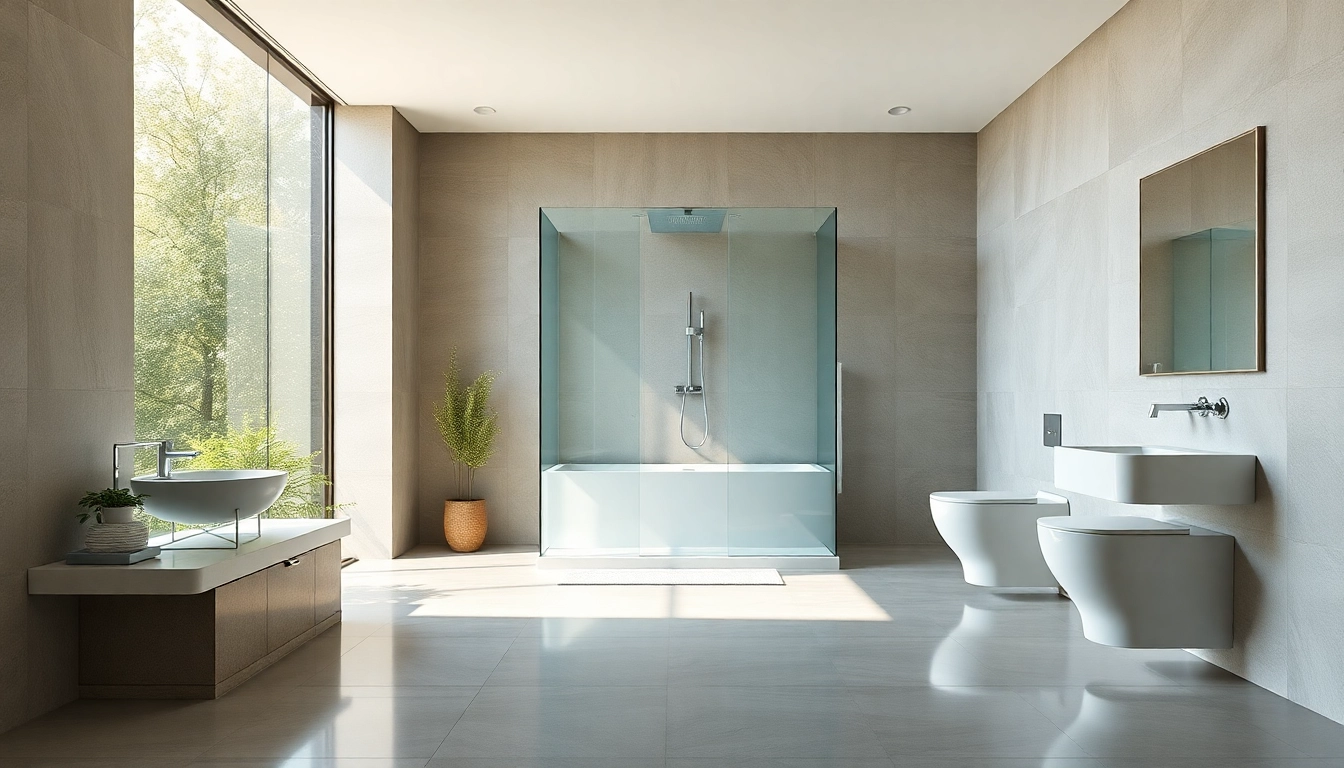
Can I use flooring lvp in a bathroom?
Yes, flooring LVP is an excellent choice for bathrooms due to its water-resistant properties, making it a practical flooring option in moisture-prone spaces.