Understanding the 2400 BTU Mini Split System
The 2400 BTU mini split system is a powerful heating and cooling solution designed for efficiency and flexibility in various spaces. As homeowners seek ways to enhance their comfort while also minimizing energy costs, the demand for effective HVAC systems continues to rise. Mini split systems, particularly the 2400 BTU models, offer a unique solution that addresses these needs. When exploring options, 2400 btu mini split provides comprehensive insights into the performance, installation, and benefits of these systems.
What is a Mini Split System?
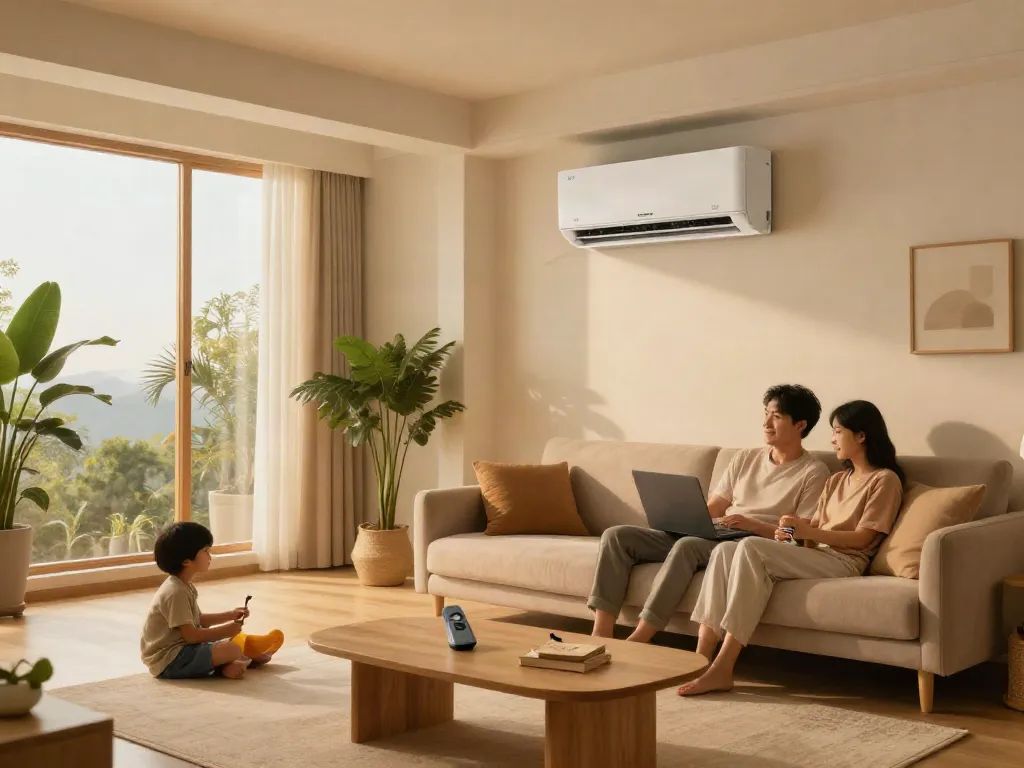
A mini split system is a type of heating and cooling system that consists of two main components: an outdoor unit and one or more indoor units. This design allows for efficient temperature control in individual rooms or zones without the need for ductwork. Mini split systems operate using inverter technology, providing consistent and efficient heating and cooling, unlike traditional HVAC units that may struggle to maintain stable temperatures.
Key Features of 2400 BTU Mini Split Units
The 2400 BTU mini split units come with a variety of features that enhance their appeal:
- Energy Efficiency: Most 2400 BTU systems boast high SEER ratings, ensuring lower energy consumption while delivering optimal performance.
- Quiet Operation: With advanced technology, mini split units operate quietly, making them ideal for residential applications.
- Flexible Installation: The absence of ductwork allows for versatile installation options, suiting various architectural styles and layouts.
- Temperature Control: Many models include smart technology, allowing remote control and temperature scheduling via smartphones.
Benefits of Using a Mini Split for Home Heating and Cooling
Mini split systems offer numerous advantages, making them highly desirable for homeowners looking for alternatives to traditional air conditioning and heating systems:
- Zone Control: Mini splits allow for tailored climate control in individual rooms, leading to increased comfort and energy savings.
- Improved Air Quality: With built-in filters, these systems can enhance indoor air quality by removing dust and allergens.
- Reduced Installation Costs: As they eliminate the need for ductwork, mini splits can reduce installation costs and time.
- Eco-Friendly Options: Highly efficient models contribute to lower carbon footprints, aligning with environmentally conscious choices.
Selecting the Right Size for Your Space
Choosing the appropriate size for your mini split system is crucial to ensure effective cooling and heating. An undersized unit will struggle to maintain comfortable temperatures, while an oversized unit can lead to energy waste and inconsistent comfort levels.
Calculating Your Room's Cooling Needs
To determine the right BTU capacity for your space, you can use a simple formula: multiply the square footage of the room by the recommended BTU per square foot. This calculation can vary based on factors such as room height, insulation quality, and the number of windows. Generally, a 2400 BTU mini split is suitable for spaces ranging from 1,000 to 1,500 square feet, depending on these variables.
Factors Affecting BTU Selection
Several factors can influence your selection of a mini split system:
- Room Size: Larger rooms require higher BTU ratings for effective cooling and heating.
- Insulation Quality: Well-insulated spaces may require less power to maintain temperature than poorly insulated ones.
- Climate: Homes in warmer climates may need more cooling power than those in temperate areas.
- Occupants: More people in a space result in additional heat, which may necessitate a more powerful system.
Advantages of a 2400 BTU System in Large Rooms
A 2400 BTU mini split system excels in larger rooms, providing immediate comfort without the noise and inefficiencies associated with conventional systems. The consistent performance ensures that even the farthest corners of a large room receive adequate cooling or heating, making it an ideal choice for open-concept living spaces, workshops, or multi-purpose areas.
Installation Considerations for 2400 BTU Mini Splits
Installing a mini split system can pose challenges, but with the right preparation and knowledge, homeowners can achieve a successful setup.
DIY vs. Professional Installation
While some homeowners may consider DIY installation to save on costs, hiring a professional is often recommended for mini split systems. Professionals not only ensure correct installation but also help navigate any local building codes and regulations that may apply.
Common Installation Challenges
Some common challenges associated with installing mini split systems include:
- Finding Suitable Locations: Proper placement of indoor and outdoor units is critical for performance.
- Electrical Connections: Ensuring safe and compliant electrical connections can be complex.
- Refrigerant Lines: Installing refrigerant lines without leaks and ensuring proper insulation are essential for efficiency.
Step-by-Step Installation Guide
For those choosing to tackle the installation themselves, here is a simplified guide:
- Choose Locations: Select suitable mounting locations for both the indoor and outdoor units.
- Install the Mounting Bracket: Secure the indoor unit to the wall with appropriate brackets.
- Run Refrigerant Lines: Connect the refrigerant, drain, and electrical lines from the indoor unit to the outdoor unit.
- Make Electrical Connections: Connect the power supply to the outdoor unit following safety protocols.
- Test the System: Once installed, check for leaks and test the functionality of both units.
Maintenance Tips for Optimal Performance
Regular maintenance of your 2400 BTU mini split system is essential to prolong its lifespan and ensure efficient operation.
Regular Maintenance Tasks for Mini Split Systems
Essential maintenance tasks include:
- Cleaning Filters: Check and clean or replace air filters every month during peak usage.
- Inspecting Drain Lines: Keep the condensate drain line clear to prevent clogs and water damage.
- Checking Outdoor Unit: Ensure the outdoor unit is free from debris and obstructions that could hinder airflow.
Signs Your Mini Split Needs Professional Care
Be alert to the following indicators that your system may require professional inspection:
- Unusual noises or vibrations during operation.
- Inconsistent temperatures across different rooms.
- Increased energy bills without a clear reason.
Cost-Effective Ways to Maintain Efficiency
To maintain the efficiency of your mini split system without breaking the bank, consider these cost-effective strategies:
- Regular Cleaning: Keep the outdoor coil and indoor filters clean to optimize airflow.
- Smart Thermostat Use: Utilize smart thermostats to regulate temperatures more efficiently.
- Seasonal Maintenance: Schedule annual check-ups with HVAC professionals to catch potential issues early.
Future Trends in HVAC Systems
The HVAC industry is continually evolving, with new trends shaping how we heat and cool our homes.
Innovations in Mini Split Technology for 2026
Upcoming advancements include more energy-efficient refrigerants, improved inverter technology, and enhanced smart home integration features, allowing for seamless control over your heating and cooling systems.
Environmental Benefits of Energy-Efficient Mini Splits
As sustainability becomes increasingly vital, energy-efficient mini split systems significantly reduce carbon footprints by consuming less power and lowering greenhouse gas emissions compared to traditional HVAC systems.
Adapting to Smart Home Integration with Mini Splits
Smart home technologies are set to revolutionize mini split systems, allowing for features like voice control, automatic scheduling, and integration into home energy management systems, further enhancing comfort and energy savings.
What’s the average cost of installing a 2400 BTU mini split?
The average installation cost can vary widely based on your location and the complexity of the installation, typically ranging from $2,000 to $5,000, including unit purchase and labor.
Can a 2400 BTU mini split heat a room effectively?
Yes, a 2400 BTU mini split can effectively heat a room, provided it is the right size for your space and conditions.
What maintenance is required for a mini split system?
Regular maintenance includes cleaning filters, checking refrigerant levels, and ensuring proper airflow around both indoor and outdoor units.
How energy-efficient are 2400 BTU mini splits?
Most modern 2400 BTU mini splits are highly efficient, often achieving SEER ratings of 15 or higher, which translates to significant energy savings compared to traditional systems.
What are the advantages over central air conditioning?
Advantages include enhanced zone control, reduced installation costs, and the ability to operate without ductwork, which can save energy and improve indoor air quality.