Overview of Cape Cod Homes
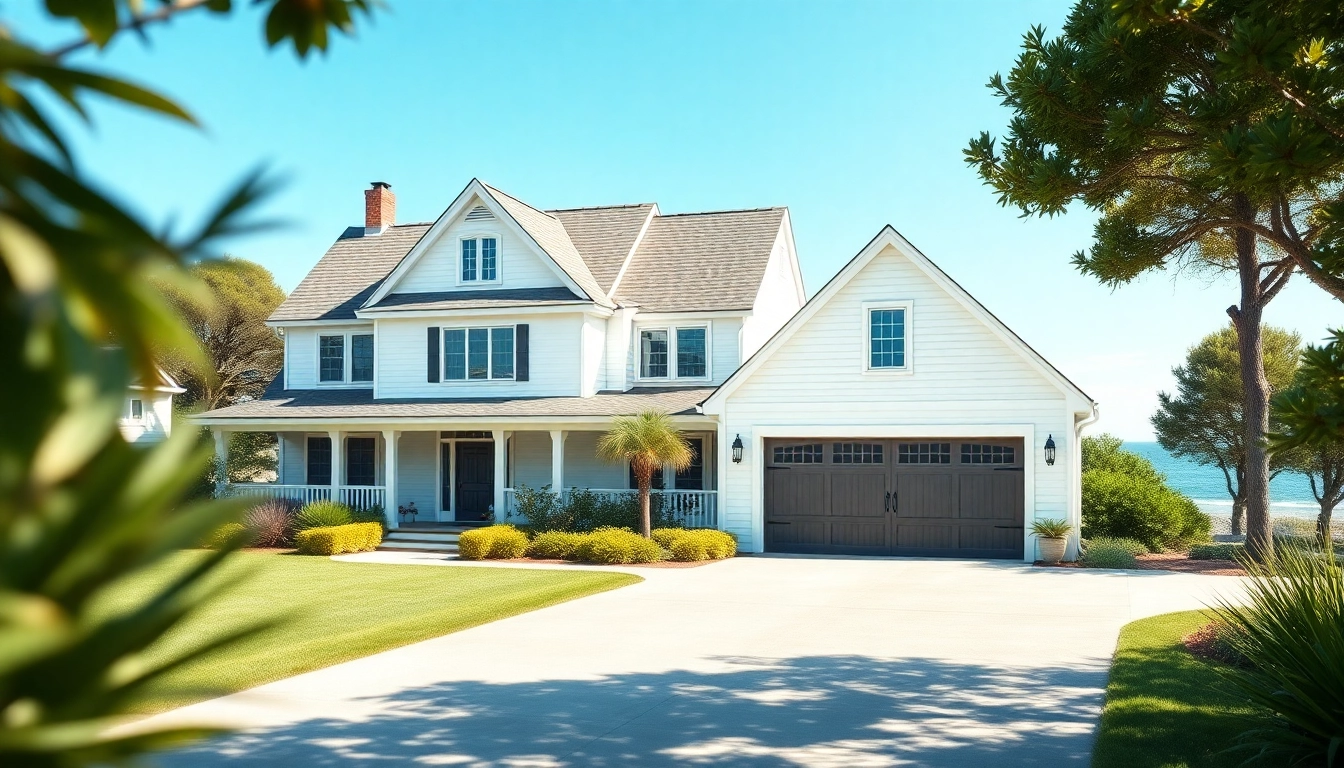
Cape Cod homes are an iconic architectural style that originated in the early 17th century, designed primarily for utility and adaptability to the harsh New England climates. These homes are loved for their simplistic elegance and inviting charm, which have made them a staple in American residential architecture. Featuring steep roofs, dormer windows, and a central chimney, cape cod homes represent a historical aesthetic that blends seamlessly with coastal landscapes and suburban serenity.
Historical Significance of Cape Cod Architecture
The history of Cape Cod architecture dates back to the early colonization of America by the English. Settlers built these homes to stand the test of time and resist the severe weather conditions prevalent in New England. The original designs employed local materials such as wood from the surrounding forests, and they were constructed to be easily maintained. As a result, the architecture that emerged was not merely functional; it became a harmonious reflection of the region’s identity.
Over the centuries, Cape Cod homes have been celebrated for their practicality and aesthetic appeal, often featuring symmetrical facades and double-hung windows, often framed with mullions to enhance their charm. Architectural historians often note that Cape Cod homes were not only shelters but also a basis for community identity and social life during the colonial period.
Typical Characteristics of Cape Cod Homes
Characteristic features of Cape Cod homes include:
- Steep Rooflines: Sloping roofs that shed snow and rain effectively.
- Dormer Windows: Allowing natural light into the upper stories and providing additional headspace.
- Symmetrical Facades: Often with centered doors and evenly spaced windows.
- Central Chimneys: Adding symmetry and acting as a focal point in the design.
- Wooden Clapboard Siding: Commonly painted in earthy tones, enhancing the home’s coastal feel.
These elements reflect a deep connection to the environment, exhibiting both resilience and beauty in their design.
Regional Variations in Design
While the traditional Cape Cod style is recognized nationwide, regional variations exist that reflect local climates and available materials. In coastal areas, homes may be elevated for flood protection, featuring wrap-around porches for outdoor leisure. Conversely, homes in mountainous regions often incorporate stone foundations and broader eaves, adapting to the local topography. Understanding these variations is crucial for anyone looking to construct or renovate a cape cod homes in compliance with their environment.
Essential Features of Cape Cod Homes
To enhance the charm and practicality of Cape Cod homes, various essential features should be considered during design and renovation. From spacious porches to open-plan living spaces, these elements contribute significantly to the overall appeal and functionality of the home.
Inviting Porch Designs
Porches play a critical role in the appeal of Cape Cod homes, offering outdoor dining, relaxation, and a transition between the exterior and interior. Traditional designs often include wide, inviting porches adorned with rocking chairs or swings, perfect for enjoying summer evenings. Many homeowners opt for durable materials like composite decking, which withstand the elements while maintaining aesthetic appeal.
Incorporating vertical railings and planter boxes on the porch can further enhance its inviting character, making it an extension of the living space with delightful views of the surrounding landscape.
Open-Plan Living Spaces
Modern adaptations of Cape Cod homes often incorporate open-plan living spaces, promoting light, airiness, and a sense of community within the household. By removing unnecessary walls, residents experience greater flexibility with room arrangements and can entertain guests more easily.
Strategic placement of furniture and functional zoning can create distinct areas within large open spaces while maintaining a cohesive aesthetic. High ceilings and expansive windows also contribute to the feeling of openness and connectedness with nature.
Natural Materials and Color Palettes
The choice of materials and colors greatly influences the character of Cape Cod homes. Using natural, locally sourced materials like wood, stone, and brick infuses warmth and a natural earthiness into the design. Common finishes include weathered wood shingles paired with pastel palettes reminiscent of beachside living.
Selecting muted coastal colors, such as seafoam green or soft beige, for both exterior and interior spaces enhances the relaxed, serene quality that is signature to Cape Cod homes. Accents of bold colors can be used in furnishings or artwork to introduce a lively contrast without overwhelming the natural beauty of the space.
Enhancing Your Cape Cod Home with an Attached Garage
Integrating an attached garage can provide both practical benefits and aesthetic enhancements to Cape Cod homes. The garage can blend seamlessly with the home, adding space without detracting from the overall charm.
Design Choices for Garage Integration
When designing an attached garage, consider maintaining the architectural style of the home. Features such as gabled roofs, weatherboard siding, and matching colors will ensure that the garage complements the existing structure rather than competing with it. Incorporating windows on the garage façade can also mimic the style of home windows, enhancing overall symmetry.
Smartly positioned doors that match the width and height of the home can produce a harmonious appearance while providing ample access for vehicles. Advanced design strategies may even allow for the garage space to be utilized as a functional area, such as a workshop or recreational space.
Functional Benefits of Attached Garages
Beyond aesthetic compatibility, attached garages offer numerous functional benefits. They provide easy access to the home, sheltering residents from harsh weather during transit. Storage becomes considerably easier, enabling organization of tools, seasonal equipment, and vehicles all in one convenient location.
Additionally, attached garages often enhance the resale value of homes, making them attractive to potential buyers who prioritize convenience and lifestyle integration.
Creative Storage Solutions in Garages
Effective storage solutions within the garage space can maximize its usability. Utilizing vertical space with shelving units and cabinets ensures that the floor remains spacious. Designating areas for specific activities, such as gardening or sports, provides easy access to equipment and encourages organized living.
Incorporating modular storage systems can also allow homeowners to adapt their garage as their storage needs change, thus retaining functionality over time.
Landscaping Ideas for Cape Cod Homes
Effective landscaping is crucial for enhancing the curb appeal and character of Cape Cod homes. The right plantings and design elements can complement the home’s architecture, creating a cohesive exterior aesthetic.
Coastal Plantings that Thrive
When selecting plants for landscaping, focus on native species that thrive in coastal environments. Plants like beach grass, hydrangeas, and ornamental grasses not only withstand salt and wind but also add vibrant colors and interesting textures to the landscape. Creating layers by combining various heights of plants can add depth and visual interest to garden areas.
Certain ground cover plants can help prevent erosion while providing a lush appearance, forming an attractive frame around the home and drawing attention to its features.
Hardscape Features to Consider
Hardscaping elements such as patios, walkways, and retaining walls are essential for functional landscaping. Natural stone, brick, or permeable pavers can establish pathways that connect various outdoor elements while maintaining the aesthetics of a coastal home.
Creating intimate seating areas or fire pits can enhance outdoor entertainment spaces, making them ideal for family gatherings or quiet evenings under the stars.
Creating Outdoor Living Spaces
Outdoor living spaces, such as decks or patios, can be designed to incorporate features like pergolas or trellises that provide shade and additional visual interest. This encourages residents to enjoy their outdoor areas throughout the seasons.
Integrating comfortable outdoor furniture and décor that meets the coastal theme can create a seamless flow from the indoor space to the garden, perfect for entertaining or unwinding after a long day.
FAQs About Cape Cod Homes
What are the main characteristics of cape cod homes?
Main characteristics include steep roofs, symmetrical facades, dormer windows, and central chimneys, often built with natural materials like wood and painted in soft coastal colors.
How can I integrate a garage with a cape cod home?
Maintain architectural consistency by designing the garage with similar roof lines and features, using matching colors and complementary materials.
What landscaping complements cape cod homes?
Coastal plantings such as hydrangeas and ornamental grasses create harmonious landscapes, while hardscaping elements enhance usability and beauty.
Can cape cod homes be built in different styles?
Yes, while retaining the typical features, Cape Cod homes can incorporate modern or minimalist elements and variations based on regional designs.
What is the history behind cape cod homes?
Originally designed by English settlers in the 17th century for utility, Cape Cod homes reflect the region’s climate, built primarily of local materials.