Understanding the 3D Model Generator Landscape
The digital transformation of design has brought forth innovative tools that empower creators across various industries. Among these, the 3D Model generator stands as a beacon of efficiency and creativity. These sophisticated applications allow users to generate intricate 3D models from simple prompts or existing images, catering to beginners and experienced professionals alike. With the rapid evolution of artificial intelligence and machine learning technologies, 3D model generators are becoming essential tools for artists, game developers, architects, and manufacturers, enabling them to turn their visions into reality with unprecedented speed and precision.
What is a 3D Model Generator?
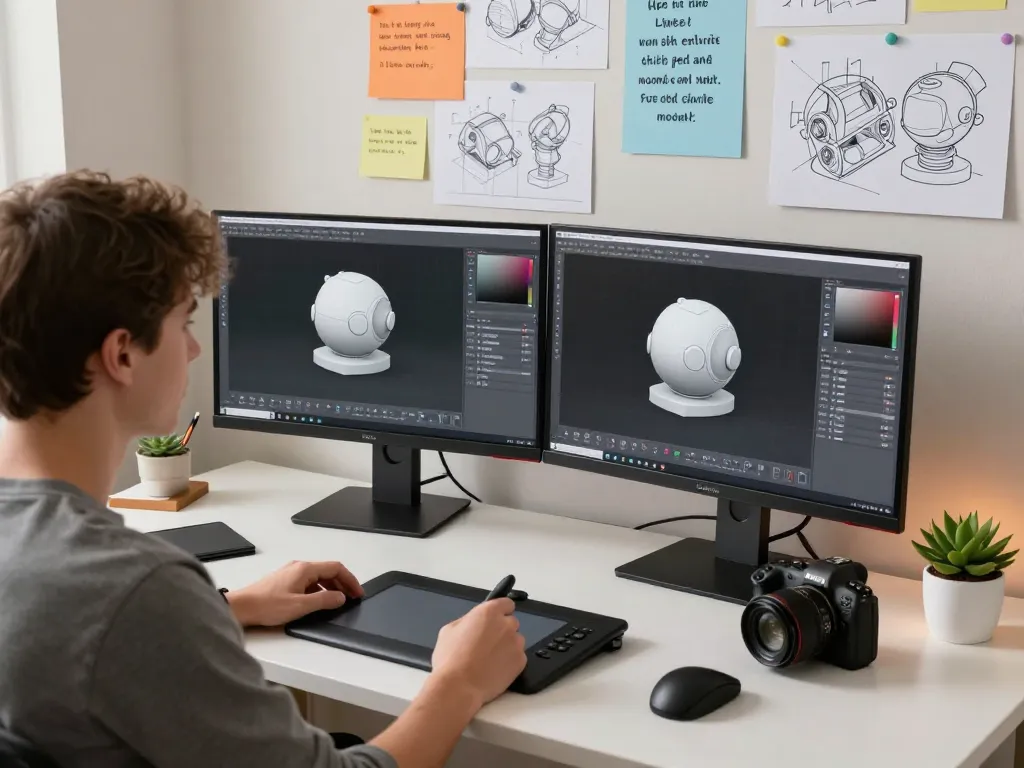
A 3D model generator is a software application that facilitates the creation of three-dimensional models through various input methods, including text descriptions, images, or even 2D sketches. These generators utilize advanced algorithms and AI capabilities to interpret user input and produce complex geometrical shapes, textures, and designs. The generated models can be employed in numerous applications, spanning from video game design to product prototyping and even virtual reality environments.
Benefits of Using a 3D Model Generator
Employing a 3D model generator brings multiple advantages to creators and professionals:
- Speed: Models can be generated in minutes, drastically reducing the time required for manual modeling tasks.
- Cost-effectiveness: Many generators offer free or low-cost options, making them accessible to a wider audience.
- Ease of Use: Most generators feature user-friendly interfaces, enabling even non-technical users to produce quality outputs.
- Versatility: Applications range from entertainment to industrial design, showcasing the adaptability of these tools across various fields.
Types of 3D Model Generators Available
3D model generators come in various forms, each designed to cater to specific user needs:
- Text to 3D Generators: Convert written descriptions into 3D models, making them ideal for conceptual artists and creative writers.
- Image to 3D Generators: Transform 2D images into 3D representations, which is useful for product designers and manufacturers who require detailed visualizations of their concepts.
- Parametric Generators: Allow users to modify attributes of the model dynamically, which is beneficial for architectural design and engineering.
The Key Features to Look for in a 3D Model Generator
Essential Functionalities for Creators
When selecting a 3D model generator, consider the following functionalities:
- Customizability: The ability to tweak parameters to achieve desired outputs greatly enhances the creative process.
- Integration: Compatibility with popular software tools, such as CAD or game engines, can streamline workflows.
- Export Options: Support for various file formats ensures the generated models can be utilized across different platforms and applications.
Performance Metrics That Matter
Performance is crucial when using a 3D model generator. Look for tools that offer:
- Rendering Speed: Quick rendering times facilitate a smoother design process, allowing for rapid iterations and refinements.
- Quality of Output: The fidelity and realism of the generated models should meet industry standards, particularly in fields like gaming and simulation.
User Experience: Tools and Accessibility
A user-friendly interface can significantly improve the overall experience of utilizing a 3D model generator. Key elements to consider include:
- Tutorials and Documentation: Comprehensive guides enhance user understanding and efficacy.
- Community Support: Active user forums can provide valuable help and inspiration.
Best Practices for Generating 3D Models
Step-by-Step Guide to Using a 3D Model Generator
Effective use of a 3D model generator can be achieved by following these steps:
- Define Purpose: Understand the intended use of the model to tailor the generation process accordingly.
- Input Quality: Provide high-quality images or clear text descriptions to enhance output quality.
- Iterate: Use the generator’s feedback to make successive improvements to the design.
Avoiding Common Mistakes in 3D Modeling
Avoid these pitfalls to enhance your 3D modeling outcomes:
- Neglecting Details: Ensure every aspect of the design is considered, as neglect can lead to unrealistic or impractical models.
- Ignoring Software Limitations: Familiarize yourself with the constraints of the chosen generator to avoid frustration during the modeling process.
Refining Outputs: Tips for Quality Enhancement
To achieve high-quality outputs, consider these refinement tips:
- Post-Processing: Utilize 3D rendering software for texture application and lighting adjustments.
- Solicit Feedback: Share your models with peers for constructive feedback and insights.
Real-World Applications of 3D Model Generators in 2026
Industry-Specific Uses for 3D Model Generators
3D model generators are trending across various sectors:
- Gaming: Developers create immersive environments and character models at an accelerated pace.
- Architecture: Architects visualize designs with realistic models, aiding client presentations.
- Healthcare: Medical professionals use 3D models for surgical simulations and training.
Case Studies: Success Stories from Professionals
Several organizations have successfully integrated 3D model generators into their workflows:
- Game Development Studios: Many indie studios utilize these tools for rapid prototyping of game assets, reducing costs and time significantly.
- Manufacturers: Firms in automotive and aerospace industries employ 3D modeling for prototyping components, leading to improved design processes.
Balancing Creativity and Functionality in Designs
Achieving an equilibrium between innovation and practicality is crucial. This balance can be attained by ensuring that all designs not only look appealing but also function efficiently in their intended applications.
The Future of 3D Modeling Technology
Emerging Trends in 3D Design and Modeling
As technology advances, several trends are emerging in 3D modeling:
- AI Integration: Enhancements in AI are leading to smarter generators that learn from user input and preferences.
- Real-Time Rendering: This trend allows users to see changes in their models instantaneously, streamlining the design process.
How AI is Shaping the Future of 3D Models
AI's role in 3D modeling is becoming increasingly significant. Machine learning algorithms can predict user preferences, improving the design experience and outcomes. This will ultimately transform how professionals approach modeling tasks.
Predictions for 3D Modeling in the Next Decade
In the next decade, we can anticipate:
- Widespread Adoption: 3D model generators will become standard tools in various industries.
- Enhanced Personalization: Tailored solutions will emerge that adapt to individual user styles and project requirements.
What are the advantages of using a 3D Model generator?
Using a 3D model generator offers considerable advantages, including substantial time savings, cost reduction, and ease of use, which collectively enhance the creative process for designers across multiple fields.
How can I create a model using a 3D Model generator?
Creating a model typically involves selecting a generator, inputting your design parameters, and refining the output as necessary, allowing both novices and experts to produce quality models efficiently.
What features should I prioritize in a 3D Model generator?
Key features to prioritize include customizability, ease of export to various formats, and robust support for integrating with other software tools.
Are there specific industries that benefit more from 3D Model generators?
Yes, industries such as gaming, architecture, manufacturing, and healthcare have demonstrated significant benefits from using 3D model generators to streamline processes and enhance innovation.
What future advancements can we expect in 3D modeling technology?
Future advancements may include more intuitive AI-driven design tools, greater interactivity in model generation, and better integration with virtual and augmented reality environments, all contributing to more immersive user experiences.