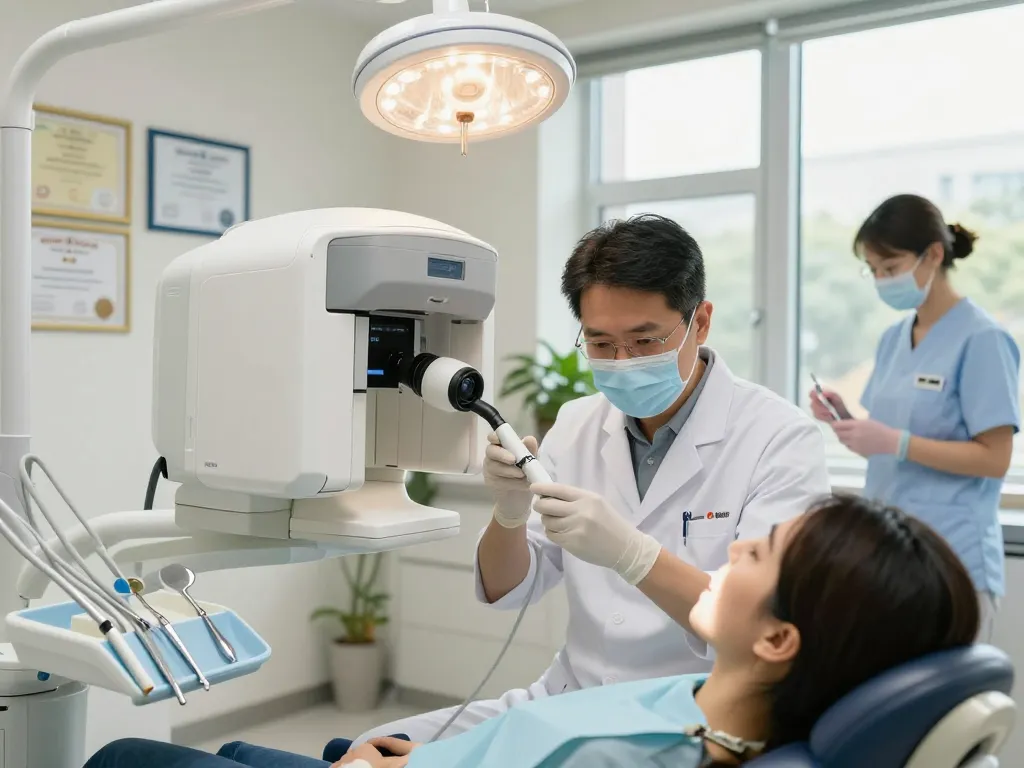
The Importance of Dentists Reviews in Modern Dentistry
In an era where patient feedback shapes healthcare practices, Dentists reviews have become an essential part of modern dentistry. These reviews not only reflect patient satisfaction but also influence the choices made by prospective patients. With the rise of digital platforms, patients have unprecedented access to information about their dental care options, making it crucial for dentists to prioritize understanding and managing their online reputation through thoughtful engagement with feedback.
Why Patient Feedback Matters
Patient feedback plays a vital role in the healthcare industry, particularly in dentistry. Reviews provide insights into patient experiences that go beyond clinical outcomes. They highlight key aspects such as the quality of service, the office environment, staff behavior, and the dentist's ability to communicate effectively. As patients increasingly rely on these reviews to make informed choices, their importance cannot be overstated.
Impact of Reviews on Practice Reputation
A dentist's reputation can be significantly impacted by online reviews. Positive feedback can enhance a practice's credibility, while negative reviews can deter potential patients. A strong online presence that showcases positive patient experiences can lead to increased trust and more appointments. Conversely, a collection of negative reviews can damage a practice's standing, making it essential for dental professionals to actively monitor and respond to feedback.
How Reviews Influence Patient Decisions
Patients today often consult multiple sources before selecting a dentist, with online reviews serving as a crucial component of their research. According to a survey, nearly 77% of patients read reviews before scheduling an appointment, underscoring how vital feedback is in swaying their decisions. A practice with numerous positive reviews and high ratings is likely to attract more new patients, whereas a practice with limited or negative feedback may struggle to gain trust.
Key Factors in Evaluating Dentists Reviews
Understanding Rating Systems and Metrics
To effectively analyze dentists reviews, it’s important to grasp the various rating systems employed. Most platforms utilize a star-based system ranging from one to five stars, where a higher rating usually indicates greater patient satisfaction. However, understanding the context behind these ratings—such as the number of reviews and the recency—can provide a clearer picture of patient sentiment.
Assessing the Value of Verified Reviews
Verified reviews, often marked as such by platforms, carry more weight than anonymous or unverified feedback. These reviews typically come from patients who have actually received care at the practice, making them more reliable. Analyzing verified reviews allows dentists to gain insight into genuine patient experiences and address any concerns effectively.
Distinguishing Between Genuine and Fake Reviews
Not all reviews are created equal; discerning genuine feedback from fabricated reviews is critical. Fake reviews can mislead potential patients and tarnish a practice's reputation. Dentists should be vigilant about identifying suspicious patterns, such as multiple reviews from the same IP address or overly generic comments. This awareness enables them to report and counter fraudulent reviews proactively.
Common Challenges in Analyzing Dentists Reviews
Dealing with Negative Feedback
Negative reviews, while often distressing, can provide valuable learning opportunities. They highlight areas needing improvement and can show patients that a practice is committed to enhancing its services. However, responding to negative feedback in a professional manner is essential, as this reflects on the practice's customer service philosophy.
Managing Patient Expectations
Patients' expectations can vary widely, and managing them is paramount for a successful dental practice. Misunderstandings or overpromises regarding treatment outcomes can lead to disappointment and negative reviews. Open communication about what patients can realistically expect from their dental care can help mitigate dissatisfaction.
Navigating Misinterpretations of Reviews
Sometimes, reviews may be based on misunderstandings or miscommunications. For instance, a patient may leave a poor review due to a lack of clarity about their treatment plan or insurance coverage. It's important for dentists to engage with patients, clarifying any points of confusion and fostering an open dialogue to address any misconceptions before they turn into negative impressions.
Best Practices for Dental Practices to Utilize Reviews
Responding Effectively to Feedback
Engaging with reviews—both positive and negative—is a best practice for dental professionals. Thanking patients for their positive feedback and addressing concerns in negative reviews shows that the practice values patient input. Transparent communication can enhance the relationship between the dental team and patients, promoting loyalty and trust.
Incorporating Reviews into Marketing Strategies
Dental practices can leverage positive reviews in their marketing materials, whether on their websites, social media, or advertisements. Featuring testimonials can build credibility and attract new patients. Additionally, highlighting specific aspects from these reviews can demonstrate the practice’s strengths and unique selling points.
Building a Patient-Centric Culture
Establishing a culture that prioritizes patient feedback can improve overall satisfaction and retention. Implementing regular feedback loops, such as post-visit surveys, can provide continuous insights into the patient experience. This commitment to understanding patient needs and adapting accordingly can distinguish a practice in a competitive market.
Future Trends in Dentists Reviews for 2026 and Beyond
The Role of Technology in Gathering Feedback
Technology will continue to play a pivotal role in how patient feedback is collected and analyzed. Innovations such as AI-driven analytics tools can synthesize vast amounts of feedback, identifying patterns and key areas for improvement. Additionally, mobile apps are becoming more prevalent, allowing for easier access to leave reviews and enhancing patient engagement.
Shifting Patient Expectations and Preferences
As the dental industry evolves, so do patient expectations. Patients are increasingly looking for personalized care experiences, which can be reflected in reviews. Practices that adapt to meet these expectations—by offering tailored services or improved communication—are likely to receive more favorable reviews and referrals.
Integrating Reviews into Telemedicine and Virtual Consultations
With the rise of telemedicine, integrating patient feedback into virtual consultations is more important than ever. Reviews related to digital health services can help practices refine their telehealth offerings, ensuring they meet patient needs effectively. Utilizing patient feedback will be crucial in establishing trust and satisfaction in this growing area of dental care.
What should I look for in dentists reviews?
When reading dentists reviews, focus on the quality of care, the professionalism of staff, communication skills, and the overall patient experience. Consider the number of reviews and their recency to assess whether a practice consistently meets patient expectations.
How do reviews influence patient trust in dentists?
Positive reviews build trust by showcasing real patient experiences and outcomes. When prospective patients see consistent, favorable feedback, they are more likely to choose that dentist, believing they will receive quality care.
Are online reviews reliable for finding a dentist?
While not infallible, online reviews can be a reliable resource when seeking a dentist. Look for verified reviews and consider the overall trends rather than focusing on a single review, as this provides a more accurate picture of the practice.
How can dentists respond to negative reviews effectively?
Responding to negative reviews should be done professionally and empathetically. Acknowledge the patient's concerns and offer a resolution or invite them to discuss their experience privately. This approach demonstrates a commitment to patient satisfaction and can help rebuild trust.
What tools can help manage and analyze dentists reviews?
Various tools exist to assist dental practices in managing reviews, such as reputation management software that aggregates feedback from multiple platforms, alerts for new reviews, and analytics tools that provide insights into trends and sentiment. These tools can help practices make informed decisions and respond quickly to patient feedback.