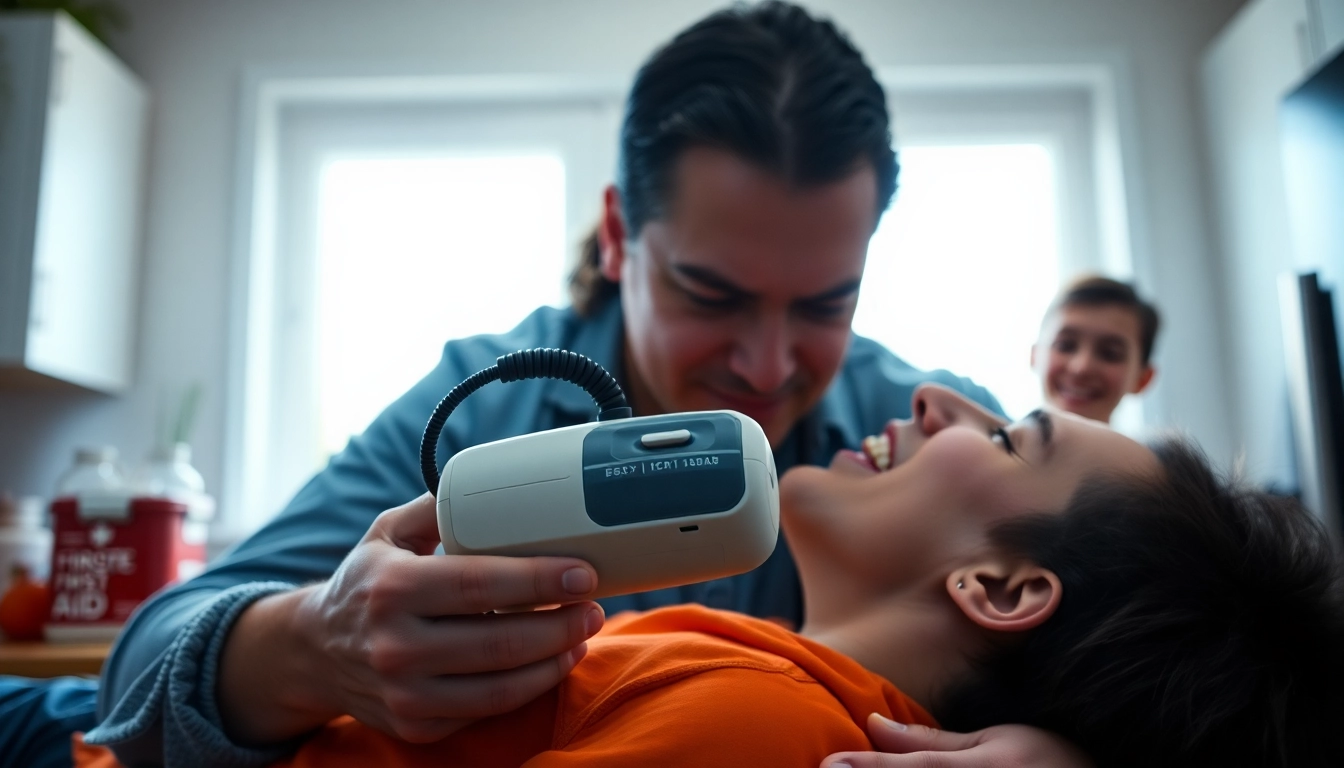
Understanding the Importance of a Choking Rescue Device
Choking is a leading cause of accidental death, especially in young children and the elderly. The introduction of a choking rescue device can be a lifesaver in these critical moments. The alarming statistics surrounding choking incidents underscore the necessity of having such a device readily available. Understanding its significance and proper usage could mean the difference between life and death.
What is a Choking Rescue Device?
A choking rescue device is specialized equipment designed to assist in the rapid removal of airway obstructions caused by choking. These devices are built to be user-friendly, allowing individuals who are not medical professionals to perform lifesaving maneuvers during emergencies. Typical forms of these devices include suction devices and various types of compression apparatus that can help dislodge food or other objects obstructing the airway.
Why Every Home Needs One
The necessity of having a choking rescue device in every home cannot be overstated. Considering that choking can occur at any time and in virtually any setting, having a dedicated device ensures that families are prepared for such emergencies. Not only does it provide peace of mind, but it also equips caregivers and parents with the tools needed to act swiftly, enhancing the chances of a positive outcome. Furthermore, it reinforces the safety infrastructures within the home, especially where small children or elderly family members are concerned.
Statistics on Choking Incidents
According to various health statistics, choking incidents account for thousands of hospital visits annually. Among children under the age of four, choking stands as a leading cause of accidental deaths. Equally alarming is that elderly individuals are also at risk due to factors like reduced swallowing ability. Having a choking rescue device available can dramatically improve survival rates by enabling prompt assistance that can prevent the progression of asphyxiation.
How to Select the Right Choking Rescue Device
Choosing the right choking rescue device requires careful consideration of several features. Each device varies significantly in design, functionality, and ease of use, impacting its effectiveness in an emergency situation.
Key Features to Consider
When selecting a choking rescue device, priority should be given to the following features:
- Ease of Use: A good device should be simple to operate, even under stress.
- Size and Portability: It should be compact and lightweight for easy storage or portability.
- Durability: The materials used should withstand emergency situations and last over time.
- Compatibility: Ensure it can be used on both adults and children if applicable.
- Maintenance Requirements: Some devices may require periodic checks or replacements.
Budget Options vs. Premium Models
Choking rescue devices are available across different price points, with budget options catering to basic needs and premium models offering advanced features. Understand your specific needs, as a more expensive device may not always be necessary. However, investing in a reliable, well-reviewed model can provide measurable peace of mind, especially if it is designed to offer enhanced functionality or ease of use during emergencies.
Comparative Reviews of Popular Devices
When selecting a choking rescue device, consider reading comparative reviews to see how various models stack up against each other. Features, user-friendliness, and effectiveness should be evaluated critically. Engaging with community feedback and professional reviews can help you make an informed decision, ensuring that your choice is beneficial in real-life scenarios.
Mastering the Use of a Choking Rescue Device
Owning a choking rescue device is only the first step; knowing how to utilize it effectively is crucial. Proper training and understanding of the mechanics behind the device can make a significant difference in emergency situations.
Step-by-Step Usage Instructions
Each choking rescue device comes with specific instructions, typically provided by the manufacturer. Generally, the following steps apply:
- Assess the situation quickly: Determine if the person is truly choking and unable to breathe.
- Follow the device's manual closely: Most devices will have a straightforward setup process.
- Position the device correctly: Optimal positioning is key to ensure effective suction or compression.
- Employ firm, rapid actions: Quick movements lever the device's effectiveness to clear the obstruction.
- Monitor the victim: After removal, watch for any signs of distress or the need for additional medical assistance.
Common Mistakes to Avoid
As with any emergency equipment, several common pitfalls can diminish the efficacy of choking rescue devices:
- Not Reading Instructions: Always familiarize yourself with your device's manual before an emergency occurs.
- Using the Wrong Type: Make sure the device is suitable for the age and size of the choking victim.
- Panic: Staying calm can enhance effectiveness in using the device.
Training Resources for Caregivers
Training is an essential component of being prepared for choking emergencies. Various organizations offer workshops, online courses, and other training for caregivers and family members to ensure they feel confident in using choking rescue devices. Look for community health organizations, local hospitals, or Red Cross training sessions as valuable resources to bolster your skills.
Case Studies: Successful Rescues with Choking Rescue Devices
Real-life accounts illustrate the critical importance of choking rescue devices. These case studies showcase successful rescues and emphasize necessary precautions in managing choking scenarios.
Real-life Scenarios of Effective Usage
Many lives have been saved due to the immediate use of choking rescue devices. One illustrative case involved a parent using a suction device on their 2-year-old, who had swallowed a small toy part, successfully clearing the blockage within moments. Such stories reiterate the significance of having these devices readily available.
Feedback from Emergency Responders
Emergency responders frequently emphasize the life-saving potential of choking rescue devices. They recommend that families participate in regular training to better understand how to use these devices effectively. Many emergency personnel report that their quick intervention combined with bystander assistance using these devices can lead to successful outcomes.
Lessons Learned from Past Incidents
Reviewing incidents where choking rescue devices failed to be used, or were used incorrectly, highlights the necessity of proper training and quick response. Recommendations indicate that organizations could further improve safety by promoting awareness around device utility and offering routine training on usage.
Maintaining and Storing Your Choking Rescue Device
Like any safety equipment, your choking rescue device requires regular maintenance to ensure it functions optimally when needed. Proper care and storage are vital to its longevity.
Proper Care and Maintenance Tips
To keep your choking rescue device in top condition, consider these maintenance tips:
- Regularly inspect your device for any signs of wear or damage.
- Clean according to the manufacturer’s instructions to keep it hygienic and functional.
- Replace any disposable components as directed.
Best Practices for Storage
Store your choking rescue device in a designated, accessible location. It's important for everyone in the household to know where it is and how to retrieve it quickly in case of an emergency. Avoid placing it in hard-to-reach or obscure spaces, as this could waste precious seconds in a crisis.
When to Replace Your Device
Make it a habit to replace your choking rescue device according to the manufacturer's recommendations, typically every few years, or after notable incidents where it was used. If any parts have shown signs of wear or if the device fails a routine inspection, it’s crucial to procure a new one immediately.
Frequently Asked Questions (FAQs)
What is a choking rescue device used for?
A choking rescue device is used to assist in dislodging objects from the airway to aid someone who is choking.
How often should I replace my choking rescue device?
It is advisable to replace your device every few years or sooner if it has been used or shows wear.
Can children use choking rescue devices?
Yes, many devices are designed to be safe and effective for use on both adults and children, but always check compatibility.
Is training required to use a choking rescue device?
While it’s not legally required, training is strongly recommended to ensure effective and confident usage in emergencies.
How do I maintain my choking rescue device?
Regular inspections, cleaning according to guidelines, and timely replacement of parts are essential for proper maintenance.