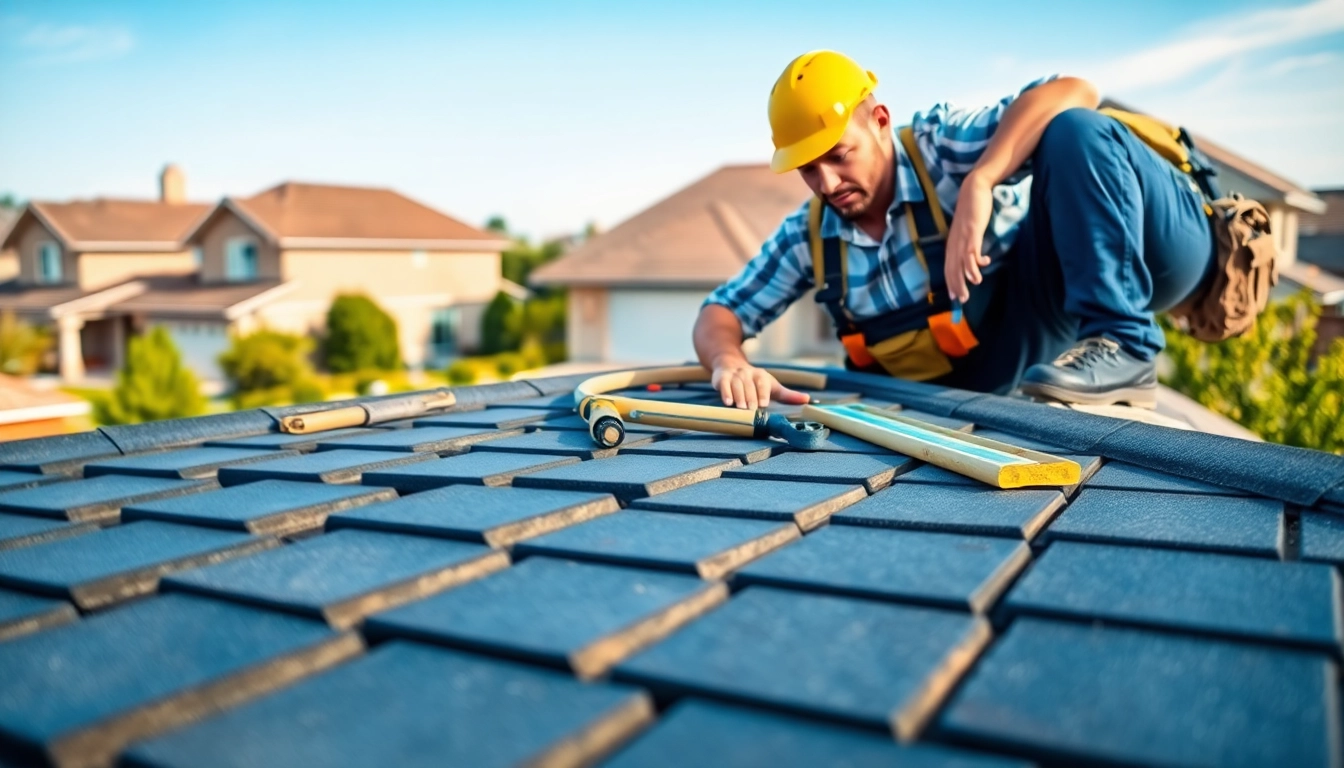
Understanding the Role of a Roofing Contractor
When it comes to maintaining or improving your home, the roof is one of the most critical components. It protects your home from the elements and contributes significantly to its overall value. Engaging a professional Roofing contractor is essential to ensure that your roofing needs are met with quality workmanship and expertise. Understanding what a roofing contractor does can help you appreciate their role and make informed decisions about your roofing projects.
What Does a Roofing Contractor Do?
A roofing contractor is a professional who specializes in the installation and maintenance of roofs. Their duties include evaluating the condition of roofs, providing estimates for repairs or replacements, and managing roof installation or repair projects from start to finish. Roofing contractors handle various tasks that ensure your roof is durable, weather-resistant, and aesthetically pleasing.
They are responsible for selecting appropriate materials, adhering to building codes, and ensuring proper installation techniques are employed. Additionally, roofing contractors frequently conduct inspections to identify potential issues that could lead to extensive repairs if left unaddressed.
Types of Roofing Contractor Services
Roofing contractors provide a wide range of services, including:
- New Roof Construction: Installing a roof for newly constructed buildings, which involves selecting the right materials and ensuring compliance with regulations.
- Roof Replacement: Removing an old roof and installing a new one, often necessary due to damage or wear.
- Roof Repairs: Fixing leaks, replacing damaged shingles, and addressing other issues that arise over time.
- Roof Inspections: Thorough evaluations to assess the condition of the roof and recommend maintenance or repairs as needed.
- Maintenance Services: Routine maintenance to extend the roof's lifespan and prevent major issues.
The Importance of Hiring a Qualified Roofing Contractor
Choosing a qualified roofing contractor is crucial for several reasons. First, they possess the necessary skills and expertise to perform roofing work safely and effectively. A licensed contractor understands local building codes, ensuring that your roofing project complies with legal requirements.
Moreover, hiring a professional minimizes the risk of future disputes from incomplete or subpar work. Qualified contractors also provide warranties on their services, giving you peace of mind that they stand behind their work. A reputable contractor is also insured, protecting you from liability in case of accidents during the project.
How to Identify a Reliable Roofing Contractor
Key Qualifications to Look For
When searching for a reliable roofing contractor, look for the following qualifications:
- Licensing and Insurance: Confirm that the contractor holds the appropriate license and operates with liability insurance.
- Experience: Contractors with several years in the business are likely to have a proven track record.
- Local Presence: A local contractor understands regional weather challenges and building codes.
- References and Reviews: Check reviews, testimonials, and ask for references from past clients to gauge satisfaction.
Signs of a Trustworthy Roofing Contractor
Trustworthy roofing contractors exhibit certain characteristics:
- Transparency: They provide clear estimates and detailed contracts.
- Communication: Reliable contractors maintain open lines of communication throughout the project.
- Professionalism: They present themselves and their work site in a clean and organized manner.
- Safety Practices: A trustworthy contractor prioritizes safety measures for their team and your property.
Questions to Ask Before Hiring
To ensure you choose the right roofing contractor, consider asking the following questions:
- What is your experience with our specific type of roofing?
- Can you provide proof of license and insurance?
- What is your estimated timeline for the project?
- Will you provide a written estimate and contract?
- How will you handle unexpected costs or changes to the project?
Common Issues and Considerations
Typical Roofing Problems Homeowners Face
Homeowners may encounter several roofing issues, including:
- Leaking Roofs: Often caused by damaged shingles, flashing, or poor installation.
- Poor Ventilation: Can lead to heat and moisture buildup, damaging roofing materials.
- Damaged or Missing Shingles: Resulting from weather events, leading to a compromised roof structure.
- Structural Issues: Sagging roofs due to underlying problems, which require immediate attention.
Cost Considerations for Hiring a Roofing Contractor
When budgeting for roofing work, consider the following costs:
- Material Costs: Vary significantly based on the type of roofing material chosen.
- Labor Costs: Professional labor is often the largest expense in roofing projects.
- Additional Services: Costs may arise from ancillary services, such as inspections or permits.
- Unexpected Repairs: Always account for potential unforeseen issues that may increase the final bill.
Understanding Roofing Materials
Different roofing materials offer varying benefits:
- Asphalt Shingles: Affordable and widely used, they provide adequate protection and a range of styles.
- Metal Roofing: Durable and energy-efficient, metal roofs can last 40-70 years.
- Tile Roofing: Known for its aesthetic appeal and longevity, tile roofing can withstand harsh weather.
- Slate Roofing: A premium material, slate offers exceptional durability and a classic look, though at a higher cost.
Hiring a Roofing Contractor: Step by Step
Finding the Right Contractor for Your Needs
Begin by researching local roofing contractors through online searches, recommendations, and review platforms. Create a shortlist of potential contractors and evaluate their qualifications based on the criteria mentioned previously. A thorough vetting process ensures you find a contractor who meets your specific requirements.
Getting and Comparing Quotes
Once you have a shortlist, ask for written estimates from each contractor. Ensure that these estimates include detailed breakdowns of material and labor costs, timeline, and any warranties offered. Comparing quotes will give you a clearer picture of the most competitive options available and allow you to make a more informed decision.
Signing a Contract with Your Roofing Contractor
Before work begins, it’s essential to sign a contract that protects both parties involved. Ensure the contract includes:
- Clearly defined scope of work.
- Detailed pricing and payment schedule.
- Project timelines and completion dates.
- Warranty information on materials and labor.
- Clause for handling unforeseen issues or costs.
Maintenance Tips After Work Completion
Ensuring Longevity of Your Roof
After your roofing project is complete, it’s vital to implement maintenance practices to ensure its longevity. Regular inspections, cleaning gutters, and removing debris from the roof can prevent many common issues. Schedule annual inspections to catch problems early before they escalate into costly repairs.
Recognizing Early Warning Signs of Damage
Be vigilant for signs that might indicate roof damage, such as:
- Dark spots or streaks on interior ceilings.
- Granules from asphalt shingles accumulating in gutters.
- Visible tears or cracks in roofing materials.
- Increased energy bills due to heat loss.
When to Schedule Follow-Up Services
Schedule follow-up services after severe weather events or significant changes in roof appearance. Also, consider regular assessments during seasonal transitions to prepare for the upcoming weather challenges. A proactive approach aids in maintaining your roof’s integrity and extending its lifespan.
Frequently Asked Questions
What should I consider when hiring a roofing contractor?
Look for licensing, insurance, experience, references, and clear communication about costs and timelines before making a decision.
How can I tell if my roof needs repairs?
Signs include water stains on ceilings, damaged shingles, granules in gutters, or visible leaks. Regular inspections can help identify issues early.
What types of roofing materials are available?
Common materials include asphalt shingles, metal roofing, tile roofing, and slate roofing. Each type has its benefits and considerations for longevity and cost.
How much does a new roof typically cost?
Costs vary based on material, labor, roof size, and complexity. Expect anywhere from a few thousand dollars to tens of thousands for larger projects.
How often should I have my roof inspected?
It’s advisable to inspect your roof at least once a year and after severe weather events to maintain its integrity and address potential issues.