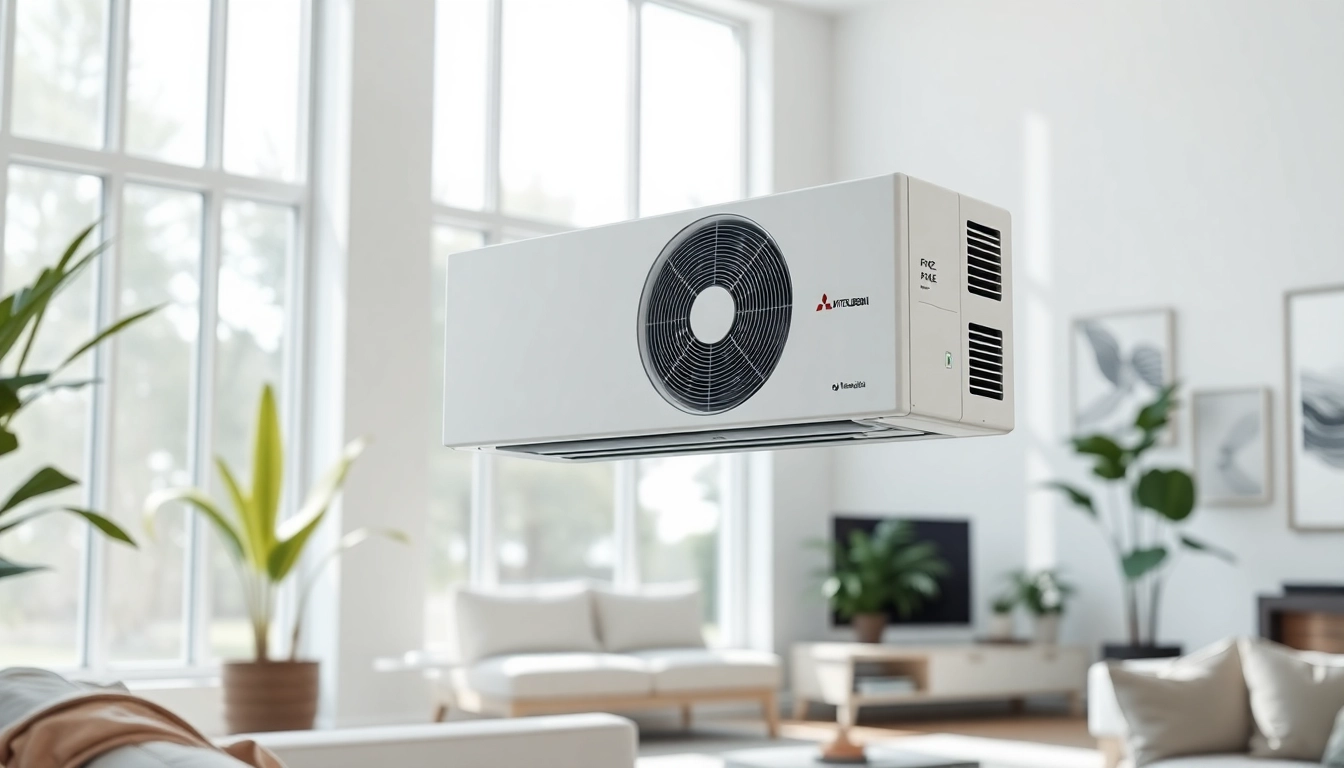
Understanding the Mitsubishi Mini Split AC Technology
What is a Mitsubishi Mini Split AC?
The mitsubishi mini split ac is an innovative air conditioning solution that combines flexibility with high performance. Unlike traditional central air conditioning systems, mini splits consist of two main components: an indoor unit and an outdoor unit. These systems are particularly popular in residential and light commercial applications due to their ability to cool or heat individual rooms or spaces without the need for ductwork.
How Does Mini Split AC Work?
The operation of a mini split AC relies on a refrigeration cycle. The outdoor unit contains a compressor that circulates refrigerant through the system. When the refrigerant absorbs heat from inside the room via the indoor unit’s evaporator coil, it transforms from a liquid to a gas. This gas is then pumped back to the outdoor unit, where the compressor compresses it, releasing the absorbed heat outside. This continuous cycle allows for effective cooling or heating, depending on the mode selected.
Benefits of Using Mitsubishi Mini Split AC
Mitsubishi mini split AC units provide several advantages over traditional systems. One of the most significant benefits is their energy efficiency. They typically consume less electricity, leading to lower utility bills. Additionally, mini splits offer greater zoning capabilities, allowing users to control the temperature in individual rooms. This customization can enhance comfort levels, particularly in larger homes. Furthermore, installation is less invasive since mini splits do not require ductwork, making them easier to retrofit into existing structures.
Choosing the Right Mitsubishi Mini Split AC for Your Space
Key Factors to Consider
When selecting a Mitsubishi mini split AC, several factors must be assessed. Firstly, consider the size of the area requiring cooling or heating. It is essential to choose a unit that provides adequate BTU (British Thermal Units) output; too few BTUs will lead to inadequate cooling, while too many can result in inefficient operation. Secondly, evaluate energy ratings such as SEER (Seasonal Energy Efficiency Ratio) to ensure optimal energy use. Finally, consider specific features like noise levels, wireless controls, and multi-zone capabilities, which can affect your comfort and convenience.
Common Sizing Mistakes to Avoid
One of the most frequent errors in selecting a mini split AC is failing to properly assess the required BTUs for the space. Using an undersized unit can lead to continuous operation and wear, resulting in higher energy consumption and reduced lifespan. Conversely, an oversized unit will cycle on and off frequently, which can cause temperature fluctuations and humidity issues. To avoid these pitfalls, consult with HVAC professionals who can perform accurate load calculations based on your space’s dimensions, insulation, sunlight exposure, and occupancy.
Mitsubishi Mini Split AC Models Overview
Mitsubishi offers a range of mini split AC models tailored to different needs and budgets. The M-Series is designed for residential use, providing efficient heating and cooling options. The P-Series caters to commercial settings with robust units that handle larger spaces. Additionally, options like the Hyper-Heating series ensure reliable performance even in extremely cold temperatures. Understanding the specifications and application of each series will help you identify the best fit for your requirements.
Installation Process for Mitsubishi Mini Split AC
Tools Needed for Installation
Installing a Mitsubishi mini split AC requires specific tools and materials. Essential tools include a drill, measuring tape, vacuum pump, refrigerant gauges, and a level to ensure accurate installation. Additionally, you will need mounting brackets, insulation tape, and electrical connecting wires. Having these materials ready can facilitate a smoother and more efficient installation process.
Step-by-Step Installation Guide
The installation of a Mitsubishi mini split AC typically follows these steps:
- Choosing the Location: Decide on an appropriate location for both the indoor and outdoor units, considering accessibility and airflow.
- Mounting the Indoor Unit: Secure the wall bracket and ensure it is level before mounting the indoor unit.
- Installing the Outdoor Unit: Place the outdoor unit on a stable surface and secure it to prevent movement.
- Connecting Refrigerant Lines: Carefully connect the insulated refrigerant lines, ensuring no leaks.
- Electrical Connections: Make all necessary electrical connections according to the manufacturer’s instructions.
- Testing the System: Once everything is connected, run the system to check for proper operation and check for leaks.
Common Installation Pitfalls
While installing your mini split AC, several common pitfalls can occur. One major error is improper refrigerant line installation, which can lead to inefficiency and leaks. Additionally, inadequate sealing around the outdoor and indoor units can allow moisture and contaminants to enter, potentially damaging the unit. Ensure all connections are secure and seal any openings to avoid these issues. Always refer to the installation manual and consider hiring a professional for the best results.
Maintenance Tips for Your Mitsubishi Mini Split AC
Regular Maintenance Checklist
To ensure the longevity and efficiency of your Mitsubishi mini split AC, a regular maintenance schedule is crucial. Here’s a checklist to follow:
- Clean or Replace Filters: Check filters monthly and clean or replace them as needed.
- Inspect Refrigerant Lines: Look for any signs of wear or leaks in the refrigerant lines.
- Check Drain Lines: Ensure drain lines are free from blockages to prevent overflowing.
- Clean Indoor Coils: Dust and debris can accumulate; gently clean the coils to maintain efficiency.
- Schedule Professional Maintenance: At least once a year, have a professional technician inspect and service the unit.
Signs Your Mitsubishi Mini Split AC Needs Repair
Recognizing when your Mitsubishi mini split AC requires repair is vital for maintaining efficiency. Common signs include strange noises during operation, reduced airflow, frequent cycling, or leaking refrigerant. If you notice these symptoms, it may indicate underlying issues that need addressing. Ignoring these signs can lead to more severe problems and costly repairs down the line.
Professional Service vs. DIY Maintenance
While some maintenance tasks can be performed by homeowners, hiring a professional technician is generally advisable for more complex repairs and regular servicing. Technicians possess specialized knowledge and training, ensuring comprehensive evaluations and interventions. DIY maintenance can be cost-effective, but incorrect handling can result in damage or safety hazards. Weighing the complexity of the task against your experience is crucial in determining the best approach.
Enhancing Efficiency and Performance of Mitsubishi Mini Split AC
Energy-Saving Tips for Homeowners
Enhancing the efficiency of your Mitsubishi mini split AC can lead to significant energy savings. First, consider adjusting the temperature settings; keeping the thermostat at a moderate level can prevent excessive energy use. Secondly, utilize programmable thermostats to tailor cooling schedules to your lifestyle—this feature ensures that the system isn’t running unnecessarily when no one is home. Lastly, make sure windows and doors are sealed properly, minimizing loss of cooled air.
Integrating Smart Technology
Smart technology integration allows for enhanced control and efficiency of your Mitsubishi mini split AC. Many modern units are compatible with smart home systems, enabling remote control via smartphone apps. Features like scheduling, temperature adjustments, and usage tracking can help optimize energy consumption and increase convenience. This integration not only improves user experience but also contributes to overall energy efficiency.
Understanding Seasonal Performance Metrics
Understanding the seasonal performance metrics of your mini split AC can help gauge its efficiency throughout the year. Metrics such as SEER ratings provide insight into the cooling efficiency of the unit. The higher the SEER rating, the more efficient the unit will be—indicating better performance for lower energy consumption. Assessing these ratings allows homeowners to understand their system’s capacity to operate effectively across different seasons.
Frequently Asked Questions
1. What size Mitsubishi mini split AC do I need?
The required size is determined by the area’s square footage. A professional can help calculate the BTUs needed for optimal cooling or heating.
2. How often should I perform maintenance on my mini split AC?
Regular maintenance should be conducted every six months to ensure clean filters and overall system efficiency.
3. Can I install a Mitsubishi mini split AC myself?
While some tasks can be DIY, professional installation is recommended for proper setup and to avoid warranty issues.
4. What is the lifespan of a Mitsubishi mini split AC?
With proper maintenance and care, a Mitsubishi mini split AC can last between 15 to 20 years, delivering efficient performance throughout its lifespan.
5. Does the mini split AC work in cold weather?
Yes, many Mitsubishi models are designed to perform effectively even in low temperatures, making them suitable for year-round use.