Introduction to Food Storage Containers
In the fast-paced world we live in, organizing our kitchens has never been more crucial. Food storage containers are not just mere vessels for leftovers; they play a significant role in maintaining the freshness of our food, reducing waste, and enhancing our overall cooking experience. With a plethora of choices available, it can be overwhelming to select the right type of containers for your needs. In this comprehensive guide, we will explore the various types of food storage solutions available, their benefits, and practical tips for maintaining an efficient kitchen.
Importance of Food Storage in Modern Kitchens
Food storage is essential in modern kitchens for multiple reasons. First and foremost, proper food storage helps extend the shelf life of your ingredients, ensuring that they remain fresh and safe for consumption. Additionally, with increasing concerns about food waste, having effective storage solutions can significantly reduce the amount of food that ends up in landfills. As a result, many homeowners and chefs are seeking reliable food storage containers that not only offer functionality but are also aesthetically pleasing.
Types of Food Storage Containers Available
Food storage containers come in various materials and designs, catering to different needs:
- Plastic Containers: Lightweight, versatile, and typically affordable, plastic containers are ideal for everyday use. They often come with airtight lids, making them perfect for storing leftovers and meal prep.
- Glass Containers: These are favored for their durability and non-porous nature, which helps in keeping food fresh without any chemical leaching. Many glass containers are designed to be oven-safe, microwave-safe, and dishwasher-safe.
- Silicone Containers: Flexible and collapsible, silicone containers are great for saving space in your kitchen. They're also safe for microwave and freezer use.
- Metal Containers: Best known for their long-lasting durability, metal containers are often used for bulk storage or long-term food preservation.
- Specialty Containers: These include vacuum-sealed bags, spice jars, and canisters that serve specific storage purposes.
Benefits of Using Food Storage Containers
Enhancing Food Freshness and Safety
Food storage containers significantly enhance food safety and freshness, which is crucial for maintaining a healthy diet. Containers made from BPA-free materials ensure that no harmful chemicals seep into your food. Furthermore, airtight containers prevent exposure to air, moisture, and pests, which can lead to spoilage.
Streamlining Meal Prep and Cooking Processes
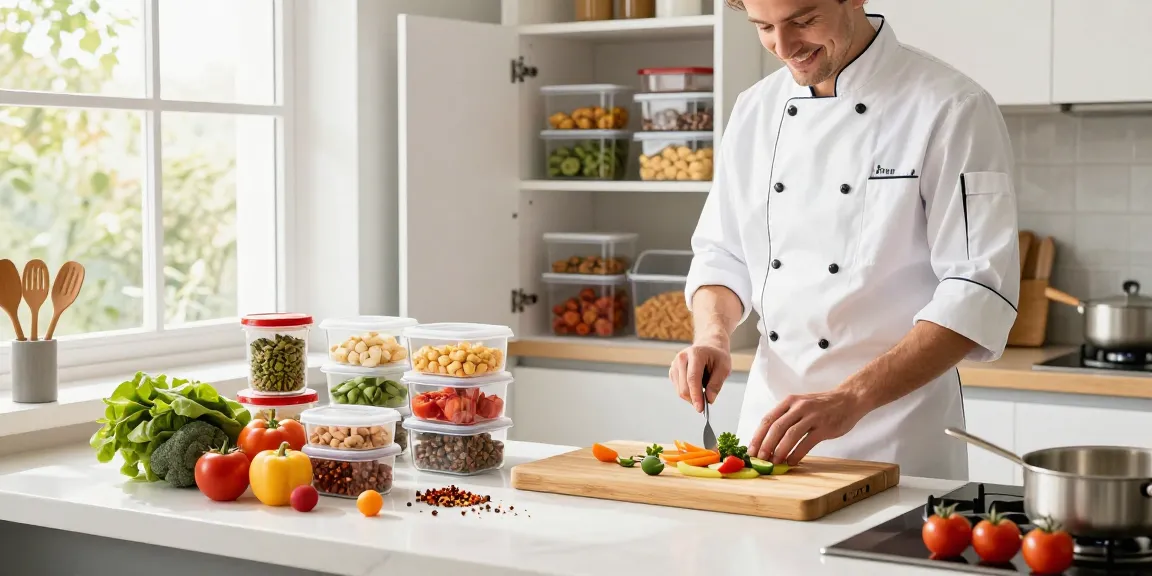
Having organized food storage solutions allows for efficient meal prep. When ingredients are pre-chopped, measured, and neatly stored, cooking becomes quicker and less stressful. You can grab a container of chopped vegetables or pre-cooked grains without having to start from scratch every time you cook.
Eco-Friendly Options for Sustainable Living
With a growing emphasis on environmental sustainability, many brands now offer eco-friendly food storage options. Containers made from glass, stainless steel, and sustainably sourced materials help consumers reduce their carbon footprint while keeping food fresh.
How to Organize Your Kitchen with Food Storage Containers
Innovative Storage Solutions for Small Spaces
In smaller kitchens, maximizing space is crucial. Consider stackable containers or those with a modular design that can fit into tight spaces. Using clear containers can also help in easily locating your ingredients while adding a modern touch to your kitchen decor.
Labeling and Inventory Management Techniques
To keep track of what you have stored, consider labeling your containers. Use a label maker or write directly on the container with washable markers. This will help you quickly identify contents and manage your pantry inventory more efficiently.
Maximizing Vertical Space for Better Organization
Utilizing vertical space in kitchen cabinets can drastically improve organization. Use tiered shelving or hanging racks to store containers in an accessible yet space-efficient manner. This practice not only saves space but also makes it easier to find your food storage containers.
Best Practices for Maintaining Food Storage Containers
Cleaning and Caring for Different Materials
Different materials require specific care to maintain longevity. For instance, glass containers can often be cleaned in the dishwasher, while plastic containers may need to be handwashed to prevent warping. Always refer to the manufacturer's guidelines for the best cleaning practices.
Common Mistakes to Avoid When Using Containers
One common mistake is overfilling containers, which can lead to spills and ineffective storage. Additionally, failing to label containers can result in forgotten ingredients and wasted food. Always ensure that you allow some space at the top of each container and maintain a clear inventory.
How to Extend the Lifespan of Your Containers
To prolong the life of your food storage containers, avoid exposing them to extreme temperatures and harsh chemicals. Store containers out of direct sunlight, and ensure that lids are closed tightly to prevent them from becoming warped over time.
Future Trends in Food Storage for 2026 and Beyond
Smart Technology Integration in Food Storage Solutions
The integration of smart technology in food storage solutions is a rapidly growing trend. Expect to see containers equipped with sensors that monitor food freshness and send alerts when items are nearing their expiration dates.
Emerging Materials for Sustainable Containers
As sustainability becomes more important, new materials that are biodegradable or made from recycled plastics are being introduced to the market. These innovative materials focus on reducing environmental impact while still ensuring food safety and durability.
The Rise of Personalized Food Storage Solutions
Personalized food storage systems that allow users to customize container sizes, shapes, and styles are gaining popularity. This trend caters to the individual needs of consumers, offering tailored solutions for different cooking habits and lifestyles.
What Are the Best Containers for Storing Food?
When it comes to the best containers for storing food, glass containers often top the list due to their safety and versatility. However, choosing the right container ultimately depends on your specific needs, such as the type of food stored and how you plan to use them.
Is Glass or Plastic Better for Food Storage?
While both have their advantages, glass is generally considered better for food storage due to its durability, lack of chemical leaching, and ability to go from freezer to oven. Plastic is lighter and sometimes more convenient for on-the-go storage but can harbor stains and odors over time.
How Long Can Food Be Stored in Containers?
The length of time food can be stored in containers varies based on the type of food and storage method. Generally, sealed containers in a refrigerator can prolong the life of ingredients from a few days up to several weeks, while freezer storage can last for months.
Are Food Storage Containers Dishwasher Safe?
Many food storage containers are marked as dishwasher safe, but it's important to check the label. Glass containers typically are, whereas some plastic containers may warp or become damaged in high heat. Always follow the manufacturer's instructions for the best results.
What Size Food Storage Containers Should I Get?
The size of containers you should get depends on your cooking habits. If you frequently prepare meals for a family, larger containers are advisable, while smaller containers are perfect for storing snacks and leftovers. A variety of sizes can accommodate all your needs effectively.